How to Get Rid of Pantry Moths
If you have ever opened a bag of flour and spotted tiny white worms, or watched a small brown moth zigzag around your kitchen at dusk, you already know the sinking feeling. Learning how to get rid of pantry moths feels urgent in that moment, and the good news is that you can win this battle without harsh chemicals or a big bill. Most pantry moth problems are solved in a single weekend of careful cleaning, and a few smart habits will keep them from coming back.
Pantry moths are stubborn little pests, but they are not invincible. They sneak in with groceries, lay eggs in dry food, and their caterpillars quietly feed until you notice the damage. Once you understand that pattern, you can break it for good.
What Pantry Moths Are and How to Get Rid of Pantry Moths for Good
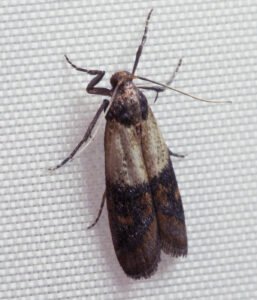
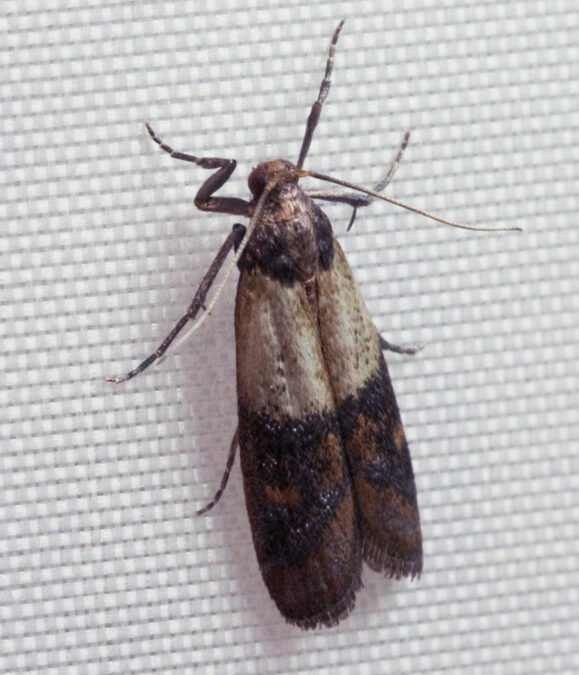
The pantry moth most homeowners meet is the Indian meal moth, known by its scientific name Plodia interpunctella. It is the most common moth that infests stored food in homes across the United States, and it shows up on every continent except Antarctica. These moths are small, usually about three-eighths of an inch long with a wingspan of around five-eighths of an inch. Their front wings are two-toned: the inner third is gray, while the outer two-thirds are reddish brown with a coppery shine. That copper tip is the easiest way to tell them apart from other small moths in your home.
Here is the twist that catches most people off guard. The adult moths you see fluttering around your kitchen do not eat at all. They live only about a week, and their only job is to mate and lay eggs. The real damage comes from their caterpillars, the tiny cream-colored larvae that live inside your food. A single female can lay between 100 and 400 eggs, and some sources put the number at 200 to 300 over a period of one to eighteen days. Each egg is only about half a millimeter wide, far too small to see with the naked eye.
That is why swatting the moths you see never solves the problem. The adults are simply the end of the cycle, not the start. To truly learn how to get rid of pantry moths, you have to deal with the eggs and caterpillars hiding in your food and in the cracks of your shelves.
How to Identify Pantry Moths and Tell Them Apart From Other Pests
Before you start cleaning, take a moment to confirm what you are dealing with. Pantry moths are often confused with clothes moths, but the two live very different lives. Clothes moths hang around closets and feed on wool and other natural fibers. Pantry moths live in kitchens and feed on dry food. If the moths are near your sweaters, you have a different problem. If they are near your cereal boxes, you are in the right place.
What Adult Pantry Moths Look Like
Adult pantry moths are small and brownish gray, with that telltale coppery band near the tips of their wings. They fly in an erratic, zigzag pattern, usually in the evening, and they are drawn to lights. You might first notice one or two near the ceiling or circling a lamp. If you are seeing several moths in a week, there are almost certainly caterpillars and eggs hiding somewhere in your pantry.
What the Caterpillars Look Like
The caterpillars are the stage that does the damage. They start out nearly invisible and grow up to about two-thirds of an inch long. They are usually creamy white, though some take on a pinkish, yellowish-green, or brown tint depending on what they have been eating. They have dark brown heads, and they spin fine silky threads as they feed. You may spot them crawling on walls, across ceilings, or even dangling from a thin silk thread as they search for a place to pupate.
Other Pantry Pests You Might Mistake for Moths
Other insects move into dry goods too, such as flour beetles and weevils, but they crawl rather than fly and have hard shells. Moths leave behind silky webbing, which beetles do not produce. If you find webbing clumping your food together, you are almost certainly dealing with pantry moths.
The Pantry Moth Lifecycle and Why They Show Up in Your Kitchen
Like all moths, pantry moths pass through four stages: egg, caterpillar, pupa, and adult. Understanding this cycle is the key to getting rid of them, because each stage hides in a different place and needs a different fix.
The cycle begins when a female moth lays her tiny eggs directly on or near a food source. The eggs hatch in about seven to eight days. The young caterpillars crawl into the food and start feeding right away, spinning silk that binds food fragments together and leaving droppings that contaminate everything they touch. They feed for six to eight weeks, though the larval stage can stretch much longer in cool conditions.
When a caterpillar is fully grown, it leaves the food and wanders off to find a safe, dark spot to pupate, often a crack where a shelf meets the wall, a pantry door hinge, or a corner near the ceiling. Inside a silky cocoon, it spends roughly fifteen to twenty days transforming into an adult moth. Then the adult emerges, mates, lays eggs, and the whole cycle starts again.
Warmth speeds everything up, so infestations often peak from late spring through early fall, though a heated home can support several overlapping generations all year round.
So how do they get into your house in the first place? Most infestations start when you bring home eggs or caterpillars hidden in a grocery bag. The pests may already be inside a sealed package of flour, rice, cereal, or birdseed when you buy it. They can also slip in through an open door or window, but the grocery route is far more common. Once inside, the caterpillars can even chew through thin plastic bags and cardboard, spreading from one package to the next. That is exactly why knowing how to get rid of pantry moths starts with finding the food they came in with.
Signs of a Pantry Moth Infestation You Should Not Ignore
The first sign of a pantry moth problem is often the sight of an adult moth flying around your kitchen. But by the time you see the adults, the infestation has usually been going for weeks. Catching the earlier signs saves you food, time, and frustration. Spotting them early makes learning how to get rid of pantry moths much easier.
Here are the warning signs to watch for:
- Silky webbing in food: Fine threads binding grains, flour, or cereal into clumps are the clearest sign of pantry moth caterpillars. The webbing is often more noticeable than the caterpillars themselves.
- Tiny white worms in dry goods: Opening a bag of flour or pouring a bowl of cereal and finding small cream-colored caterpillars is a sure sign of trouble.
- Caterpillars on walls or ceilings: Mature caterpillars leave their food to find a place to pupate. Spotting them crawling up a wall or across the ceiling means the infestation is well established.
- Cocoons in corners and crevices: Look for small, silky cocoons on the tops of cabinets, in pantry corners, inside cracks, or around door hinges.
- Adult moths flying in the evening: Small moths fluttering around lights or flying out of a cupboard when you open it are a classic sign.
- Clumped or dusty food: Food that sticks together in lumps, or a fine dust at the bottom of a package, can point to caterpillar activity.
- Tiny holes in packaging: Caterpillars can chew through plastic bags and thin cardboard, leaving small holes behind.
- Cast-off skins: As caterpillars grow, they shed their skins. Finding these tiny, papery skins in food or on shelves is another clue.
If you spot any of these signs, inspect every food item within about five feet of the first sighting. Moths spread farther than most people expect, so do not limit your search to one shelf.
What Foods Pantry Moths Infest and Where They Hide
Pantry moths are not fussy eaters. They feed on a wide range of stored dry foods, and knowing their favorites helps you check the right places first.
| Food Category | Commonly Infested Items |
|---|---|
| Grains and flours | Flour, rice, cornmeal, oats, wheat, barley, pasta, cereals |
| Dried fruits and nuts | Raisins, dates, dried apricots, almonds, walnuts, peanuts, seeds |
| Baked goods and snacks | Crackers, cookies, cake mixes, bread crumbs, granola bars |
| Spices and herbs | Dried chili peppers, paprika, dried herbs, tea, cocoa powder |
| Pet and bird food | Dry dog food, dry cat food, birdseed, fish flakes |
| Other pantry items | Powdered milk, chocolate, candy, dried beans, potpourri, dried flowers |
A few hiding spots catch people by surprise. Birdseed stored in a garage or basement is one of the most common sources because it often sits untouched for months. Dry pet food is another frequent culprit, and spices and tea are easy to overlook because the packages are small. Even decorative items made from dried flowers or seeds can harbor caterpillars.
Beyond food, pantry moths hide in the pantry itself. Caterpillars pupate in dark, undisturbed places: shelf-pin holes, the joint where a shelf meets the wall, the gap behind shelf liner, pantry door hinges, and the tops of cabinets. When you clean, these are the spots that matter most. A single missed cocoon tucked into a shelf joint can restart the whole infestation.
How to Get Rid of Pantry Moths Step by Step
Now comes the hands-on part. Set aside an hour or two, and plan to do the whole pantry at once. A half-finished cleanout is the most common reason pantry moths come back. Work through these steps in order, and do not skip ahead. These eight steps show you how to get rid of pantry moths for good.
Step One: Empty the Entire Pantry
Take everything out of the pantry, not just the shelf where you saw moths. Remove every package, jar, can, and bag, including spices, pet food, and decorative items. Check the shelves above and below too, since caterpillars wander farther than you might think. This is the moment to be thorough rather than quick.
Step Two: Inspect Every Package
Open every container and look closely. Check for webbing, clumps, small holes, live insects, caterpillars, or a fine dust at the bottom. Pay special attention to folded flaps and the seams of bags, where eggs often hide. Remember that caterpillars are hard to see when they are young, so look for the webbing they leave behind. When in doubt, treat a package as suspect rather than safe.
Step Three: Discard Infested Food
Seal any infested food in a plastic bag and take it straight outside to the trash bin the same day. Do not leave the bag in your kitchen bin or move it to the garage, or the pests may find their way back inside. If you are not sure whether an item is infested, seal it in a bag and freeze it instead of throwing it away, as described in the next step.
Step Four: Freeze Food You Want to Save
Freezing is one of the most reliable ways to kill pantry moths at every life stage, including the eggs. Place suspect food in a sealed bag and hold it at 0°F (minus 18°C) for three to four days; some experts recommend up to a week for bulky items. Heat works too: warming food in the oven at about 120 to 140°F for around 20 minutes kills the pests, though larger quantities need longer.
Step Five: Vacuum Every Corner
With the pantry empty, vacuum the shelves from top to bottom. Use the crevice tool to reach corners, shelf-pin holes, the seams where shelves meet the walls, and the gap under shelf liner. Caterpillars love to pupate in these dark joints. Vacuum the floor of the pantry and the area around it as well. When you finish, take the vacuum outside and empty it immediately into the outdoor bin. Do not empty it indoors, or you may scatter eggs and larvae back into your kitchen.
Step Six: Wash the Shelves
Wash all shelves, walls, and surfaces with hot, soapy water, then follow up with a rinse of white vinegar mixed with water, which helps break down any lingering residue. This washing step is an essential part of how to get rid of pantry moths, because eggs can hide in the tiniest cracks. Some people add a few drops of peppermint, eucalyptus, or tea tree oil to the rinse for a fresh scent, though the cleaning itself matters far more than the scent. Leave the pantry door open overnight so the shelves dry fully before you restock. Skip bleach in food storage areas, as it leaves fumes behind, and never spray insecticide on shelves where food is stored.
Step Seven: Restock in Airtight Containers
Move all dry goods into airtight containers made of glass, metal, or thick plastic with tight-fitting lids. The original packaging alone is not enough, since caterpillars can chew through thin plastic and cardboard. Glass jars with rubber gaskets work beautifully, and clear containers have the bonus of letting you spot any future problems early. Keep birdseed and dry pet food out of the pantry entirely if you can.
Step Eight: Set Pheromone Traps to Monitor
Hang a pheromone trap or two in the pantry. These traps use a scent that attracts male pantry moths onto a sticky pad. They will not solve the problem on their own, because they only catch males and do nothing about the larvae in your food, but they are excellent for monitoring. If moths keep showing up on the trap, you know there is still a hidden source. If the trap stays empty for several weeks, you can feel confident the infestation is over. Expect the breeding cycle to break over six to eight weeks of trapping.
Natural Remedies: How to Get Rid of Pantry Moths Without Chemicals
When people look for natural ways to deal with pantry moths, a few remedies come up again and again: bay leaves, vinegar, essential oils, and freezing. Some of these help, and some are more myth than medicine. Here is an honest look at each one. Each one can support a natural plan for how to get rid of pantry moths.
Bay leaves: Tucking dried bay leaves into flour, rice, and oats is a popular folk remedy. A 2016 study found they can repel and even kill several grain pests, including flour beetles and weevils, but there is no solid scientific evidence they work against pantry moths themselves, and university extension guides do not recommend them for moths. They cost almost nothing, so many people use them as cheap extra insurance. Replace them every three months.
Vinegar: White vinegar is a fine cleaning rinse for pantry shelves, and it is safe to use around food. It helps wash away residue and any lingering pheromone trails. But vinegar alone does not kill the eggs and caterpillars hiding inside your food, so it is a cleaning aid, not a cure.
Essential oils: Peppermint, eucalyptus, and tea tree oils may make your pantry smell lovely, but there is no strong evidence they eliminate an infestation. Think of them as a finishing touch after a proper cleanout, not a replacement for one.
Freezing and heat: These are the natural remedies that truly work. Freezing at 0°F for three to four days kills eggs, caterpillars, pupae, and adults. Heating food to around 120 to 140°F for about 20 minutes does the same. Both are simple, chemical-free, and backed by university extension guidance.
The honest truth is that no home remedy replaces the basics: removing infested food, vacuuming thoroughly, washing shelves, and storing food in airtight containers. The natural tricks can support that plan, but they cannot stand in for it.
How to Get Rid of Pantry Moths for Good: Prevention That Keeps Them Away
Getting rid of pantry moths is only half the job. Keeping them away is the other half, and it comes down to a handful of habits that take very little effort once they become routine. These habits are how you stay ahead after learning how to get rid of pantry moths.
- Buy in smaller amounts: Only buy dry goods in quantities you can use within two to four months. The longer food sits on a shelf, the more time pests have to find it.
- Inspect groceries before you store them: Check packages for holes, webbing, or damage before they go on the shelf, even if they are sealed. A quick look at the store can save you a weekend of cleaning later.
- Freeze new dry goods: Make it a habit to freeze flour, rice, cereal, and other dry goods for three to four days after bringing them home. This kills any eggs or caterpillars that hitchhiked in from the store.
- Store everything in airtight containers: Glass jars, metal canisters, and thick plastic containers with tight lids are your best defense. Transfer food out of its original bag or box as soon as you open it.
- Keep shelves clean and dry: Wipe up spills and crumbs right away. Vacuum pantry shelves regularly, and pay attention to corners and cracks where crumbs collect.
- Use bay leaves as extra insurance: Slip a dried bay leaf or two into flour and rice containers. Replace them every three months. They may help against beetles, even if they are not proven against moths.
- Keep pet food and birdseed separate: Store dry pet food and birdseed away from the pantry, ideally in sealed containers in a garage or utility area, and check them regularly.
- Rotate your stock: Use older packages first and keep newer ones behind them. This simple first-in, first-out habit stops food from sitting forgotten at the back of a shelf.
- Watch with pheromone traps: Keep a trap in the pantry for a few months after an infestation. It acts as an early warning system, catching the first moths before they can lay many eggs.
- Check the calendar: Pantry moth activity peaks in late spring through early fall, when warm, humid air speeds up reproduction. Be extra watchful in those months.
These habits work together. No single one is a magic shield, but the combination makes your pantry a very unwelcoming place for moths. They are the simplest way to keep your pantry clear after you learn how to get rid of pantry moths.
What to Do With Infested Food and Whether It Is Safe to Eat
One of the hardest decisions during a cleanout is what to do with food that might be infested. The safest rule is simple: when in doubt, throw it out. But it helps to know the facts so you can decide with confidence rather than panic. Knowing the facts helps you learn how to get rid of pantry moths with confidence.
Pantry moths are not poisonous, and they do not bite or sting people or pets. According to a Virginia Tech entomology fact sheet, the moths do no harm if eaten by accident, though some people may have mild allergic reactions to moth proteins. Most people experience no health effects at all.
That said, infested food is still ruined. The caterpillars bind it together with silk and fill it with droppings, so the texture, taste, and quality are gone. The sensible choice is to discard heavily infested packages. If a package is expensive or you are unsure it is truly infested, sealing it and freezing it for three to four days at 0°F kills every life stage, and the food is then safe to use. Never try to salvage food by picking out the visible caterpillars, since the eggs are invisible and the webbing and droppings are mixed through the food. Take discarded food outside to the bin the same day, sealed in a bag, so the pests cannot wander back into your kitchen.
When to Call a Pest Control Professional
Most pantry moth infestations can be handled on your own with the steps in this guide. A thorough cleanout, freezing, and airtight storage solve the problem for the vast majority of households. But there are times when calling a professional is the smarter move. Most cases respond well to the steps in this guide on how to get rid of pantry moths.
Consider bringing in a pest control service if:
- The infestation keeps coming back after two careful cleanouts. If moths reappear despite your best efforts, there may be a hidden source you have not found, such as an infested bag in a garage, a forgotten box in a basement, or a bulk storage area you cannot fully empty.
- The infestation is widespread across several rooms or in hard-to-reach places, such as wall voids, bulk food storage, or a feed room.
- You are dealing with multiple pest problems at once and need a coordinated plan rather than a patchwork of fixes.
- You are uncomfortable using any chemical treatment yourself and want a professional to judge whether one is needed and apply it safely.
- You run a food business or store large quantities of grain and the scale of the problem is beyond a household cleanout.
A professional can inspect the whole home, find hidden sources, and set up a monitoring plan. Choose a licensed company, ask what methods they will use around food, and confirm that no insecticide will be applied to surfaces where food is stored. Avoid using insecticides in food storage areas yourself; they should only ever be a last resort, applied strictly according to the label.
Frequently Asked Questions About How to Get Rid of Pantry Moths
How long does it take to get rid of pantry moths?
The cleaning itself takes a few hours, but expect moths to taper off over about a month, since pupae already hidden in cracks can still emerge as adults. Keep pheromone traps out for roughly three months to confirm the problem is truly gone.
Do pantry moths bite or spread disease?
No. Pantry moths do not bite, sting, or spread disease to people or pets. They are a nuisance and a food-waste problem, not a health emergency. The main cost is the food they ruin.
Will pantry moths go away on their own?
No. Without action, the cycle continues. Each female lays hundreds of eggs, and the population grows with every generation. The moths will not leave simply because you ignore them. A proper cleanout is needed to break the cycle.
Do pheromone traps get rid of pantry moths?
Not on their own. Pheromone traps catch adult male moths, which helps break the breeding cycle over six to eight weeks, but they do nothing about the eggs and caterpillars in your food. Use them as a monitoring tool alongside cleaning and freezing, not as a standalone fix. They work best as part of a full plan for how to get rid of pantry moths.
Can I still eat food after freezing it?
Yes. Freezing suspect food at 0°F for three to four days kills pantry moths at every life stage, and the food is then safe to eat. This is a method recommended by university extension services and backed by USDA storage guidance.
Why do pantry moths keep coming back?
The most common reason is a missed source. One overlooked box of crackers, a bag of birdseed in the garage, or a few pupae tucked into a shelf joint is enough to restart the infestation. Restocking food in its original packaging instead of airtight containers is another common cause of a comeback. That is why learning how to get rid of pantry moths means finding every last source.
Conclusion: Take Back Your Pantry by Learning How to Get Rid of Pantry Moths
Pantry moths are frustrating, but they are far from unbeatable. The moths fluttering around your kitchen are only the visible tip of the problem. The real battle is won in the quiet work of inspecting packages, tossing what is ruined, freezing what you want to save, vacuuming every crack, and storing your food in containers the caterpillars cannot chew through.
The best part is that you do not need harsh chemicals or an expensive professional visit in most cases. A weekend of careful work, a few airtight jars, and the habit of freezing new dry goods can keep your pantry moth-free for years.
So take a deep breath, roll up your sleeves, and start with the first shelf. With patience and a little know-how, learning how to get rid of pantry moths is the first step toward a cleaner, calmer, and pest-free kitchen. If other kitchen pests show up too, see our guides on how to get rid of ants in the house and how to get rid of fruit flies.