Learning how to clean a cast iron skillet the right way is the single best skill a home cook can pick up. A cast iron skillet is one of the few kitchen tools that can last a lifetime — and often gets handed down from one generation to the next — but only if it is cared for with a little love after every meal. The good news is that the routine is simple. It takes about five minutes, it needs no fancy products, and once it becomes a habit, your skillet will reward you with better sears, smoother eggs, and a surface that only gets better with age.
Many people feel nervous about cast iron because of the old stories they have heard. They worry that one wrong move will ruin the pan forever. In truth, cast iron is far tougher than its reputation suggests. Even a rusty, neglected skillet can usually be brought back to life. This guide walks you through the everyday wash, the fixes for stuck-on food and burnt messes, the truth about soap, and the simple steps that protect the seasoning — the natural non-stick layer that makes cast iron so special.
What Seasoning Really Is — and Why It Matters
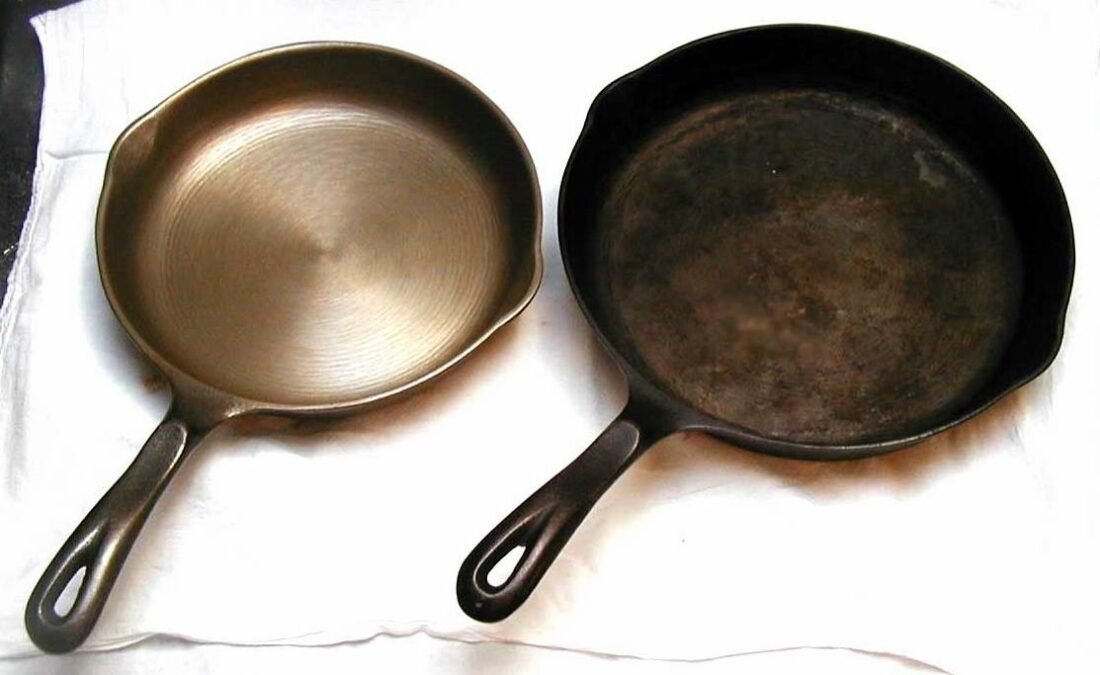
Before we get to the scrubbing, it helps to know what seasoning actually is. Seasoning is not just a layer of oil sitting on the metal. It is oil that has been heated past its smoke point until it bonds with the iron and turns into a hard, slick coating. This chemical change is called polymerization, and it is what gives a well-kept skillet its smooth, dark, easy-release surface.
Most new skillets from makers like Lodge come pre-seasoned at the factory, so they are ready to cook with after a quick rinse. From there, the seasoning keeps building every time you cook. Frying bacon, searing a steak, or roasting vegetables all add thin new layers. That is why an old skillet often cooks better than a brand-new one: years of meals have built up a deep, even finish.
Seasoning also protects the iron from rust. Bare cast iron reacts with water and air very quickly, so the coating acts like a shield. When the seasoning is damaged — by soaking, harsh scrubbing, or the dishwasher — water reaches the bare metal and orange rust spots appear. The goal of good care is simple: clean off the food, keep the pan dry, and keep that shield intact. That is why learning how to clean a cast iron skillet gently matters — every wash either protects that shield or wears it away.
How to Clean a Cast Iron Skillet After Everyday Cooking
For most meals, knowing how to clean a cast iron skillet takes only three steps: wash, dry, and oil. Lodge, the best-known cast iron maker, sums up its care advice in exactly those three words, and they are a fine habit to build.
- Wipe out the grease first. While the pan is still warm but safe to handle, wipe out leftover fat and crumbs with a paper towel and toss them in the trash. Grease should never go down the sink, where it can clog your drains.
- Wash with warm water and a little soap. Hold the skillet under warm running water and scrub gently with a stiff brush, a non-metal scrub pad, or a nylon brush. A small squeeze of mild dish soap is fine — more on that below.
- Dry it right away. Towel the pan dry at once, then set it on a low burner for a few minutes so every last drop of moisture cooks off. Water left on bare iron is the fastest route to rust.
- Rub in a whisper of oil. Add just a few drops of cooking oil to a paper towel and rub a very thin layer over the whole surface, inside and out. Then wipe it again with a clean towel until the pan looks almost dry. If the oil pools or runs when you tilt the pan, you used too much.
That is the whole everyday routine. It takes about five minutes, and it keeps the seasoning building instead of wearing away.
How to Clean a Cast Iron Skillet With Stuck-On Food
Sooner or later, food will stick. An egg may cling, a piece of fish skin may tear, or melted cheese may glue itself to the cooking surface. Do not panic, and do not reach for steel wool right away. A gentler fix usually does the trick.
Coarse kosher salt is the classic helper here. While the pan is still warm, pour in about a quarter cup of coarse salt and add a few drops of warm water. Scrub the stuck spots with a sponge or a brush, using the salt as a mild grit. The salt dissolves as you work, so it lifts food without grinding away the seasoning underneath. A plastic pan scraper or a nylon brush also works well for stubborn patches — push the food off under warm running water, then wash, dry, and oil the pan as usual.
If food keeps sticking in the same spot, the seasoning there has probably worn thin. That is normal, especially on a new pan. Cook with a little extra fat for a while — butter, bacon, or a splash of oil — and the seasoning will build back up. A skillet that sticks a little today is not a ruined skillet; it is simply a skillet asking for a few more good meals.
How to Clean a Cast Iron Skillet With Burnt-On Mess
A burnt-on crust or a caramelized sauce that has gone too far needs a stronger approach, but it still does not need harsh chemicals. The trick is to let heat and water do the heavy lifting.
Start by pouring a few tablespoons of room-temperature water into the pan while it is still hot from cooking. It will hiss and steam, and that burst of steam starts to lift the crust. For a really stubborn layer, add a little more water and simmer it on the stove for three to five minutes, as Lodge suggests. Once the pan has cooled enough to handle, use a wooden spoon or a pan scraper to push the softened food away, then wash the pan in the normal way.
Two safety notes matter here. First, never pour cold water into a very hot cast iron pan. The sudden shock can warp or even crack the iron. Room-temperature water is the safe choice. Second, do not scrape with a metal spatula edge hard enough to gouge the surface. A firm but gentle touch is plenty once the food has softened.
Can You Use Soap on a Cast Iron Skillet?
This is the most argued question in all of cast iron care, and the answer surprises many people: yes, a little mild dish soap is fine. The old warning comes from a time when soap was made with lye, a harsh chemical that could strip seasoning. Modern dish soaps are far milder, and Lodge itself says plainly that a small amount of regular dish soap will not harm a well-seasoned pan.
That said, soap is a tool, not a requirement. For a lightly used pan, hot water and a good scrub are often enough on their own. When you do use soap, keep it modest — a small squeeze, not a puddle — and rinse well. Then dry the pan at once and rub in that thin layer of oil. The oil step matters more than the soap question, because it is what replaces any protection the wash may have removed.
What to Avoid With Soap
What should you avoid? Harsh detergents, oven cleaner, and long soaks in soapy water are all bad news. They can break down the seasoning and leave the iron open to rust. If you ever do overdo it with soap or a scrub pad, the fix is easy: dry the pan, oil it lightly, and cook with it. The seasoning will recover with use.
How to Clean a Cast Iron Skillet and Remove Rust
Rust looks scary, but it is one of the most fixable problems a cast iron skillet can have. Orange spots usually appear after a soak, a trip through the dishwasher, or a spell stored in a damp cupboard. The rescue takes a little elbow grease, but the pan is almost never beyond saving.
- Scour the rust away. Scrub the rusty areas with steel wool or a rust eraser in warm, soapy water until the orange is gone and the iron feels smooth. Some seasoning will come off too — that is expected, so do not worry about it.
- Rinse and dry completely. Wash the pan, towel it dry, then warm it on a low burner for a few minutes to drive off hidden moisture.
- Oil the bare metal. Rub a very thin, even layer of cooking oil over the whole pan, inside, outside, and the handle. For a few small spots, that light oiling may be all the pan needs.
- Re-season if the rust was widespread. For a pan that was badly rusted, bake the oiled skillet upside down in a 450 to 500°F oven for one hour, with foil on the rack below to catch drips. Let it cool in the oven, then repeat if the surface still looks patchy.
Once the rust is gone and a fresh layer of seasoning is in place, the pan is ready to cook with again. Many cooks say a rescued skillet ends up better than before, because the full re-seasoning gives it a fresh, even coat.
How to Re-Season Your Skillet After a Deep Clean
Re-seasoning, the deeper step in how to clean a cast iron skillet after a deep clean, sounds like a big project, but it is really just the everyday oil step with the help of your oven. You only need to do it when the seasoning is damaged, the surface feels sticky, or food has started to stick all over.
Start by washing the pan in warm, soapy water and scrubbing off any flaking seasoning or loose rust. Dry it completely — a few minutes on a low burner helps here. Then rub about half a teaspoon of oil over every surface, inside and out, including the handle. Vegetable oil, canola oil, melted shortening, and grapeseed oil are all good choices, and Lodge recommends vegetable or canola oil for beginners because they are cheap and reliable. The key step is to wipe almost all of it back off with a clean cloth until the pan looks nearly dry. A thick coat of oil will not harden properly; it turns sticky and gummy instead.
Place the pan upside down in a 450 to 500°F oven, with foil on the lower rack to catch drips, and bake it for one hour. Then turn off the oven and let the pan cool inside. You can repeat the process two or three times for a deeper finish. Expect a little smoke — turn on the range hood and open a window. When the pan comes out, it should feel dry and smooth, not tacky. If it feels sticky, the oil coat was too thick; wash it and try again with a thinner layer.
How to Clean a Cast Iron Skillet: What to Use and What to Avoid
The right tools make the job easy, and the wrong ones can undo months of good seasoning. This table sums up the choices for how to clean a cast iron skillet at a glance.
| Tool or method | Safe for everyday cleaning? | Notes |
|---|---|---|
| Warm water and mild dish soap | Yes | A small squeeze is fine; rinse well and dry at once |
| Stiff brush or nylon brush | Yes | The best everyday scrubber for a seasoned pan |
| Non-metal scrub pad | Yes | Good for stuck food without harming the finish |
| Coarse kosher salt | Yes | A gentle grit for stuck spots; dissolves as you scrub |
| Plastic pan scraper | Yes | Great for lifting burnt bits without scratching |
| Thin coat of cooking oil | Yes | Apply after every wash; wipe until the pan looks almost dry |
| Simmering water in the pan | Yes | Softens burnt-on food in three to five minutes |
| Steel wool | Only for rust removal | Strips seasoning, so use it only when re-seasoning after |
| Dishwasher | No | Harsh detergent and trapped moisture strip seasoning and cause rust |
| Long soaking in the sink | No | Water reaches bare iron fast and rust follows |
| Oven cleaner or harsh detergents | No | Breaks down the seasoning layer |
| Cold water in a very hot pan | No | Thermal shock can warp or crack the iron |
Keep this list near your sink if it helps. Once you know which tools belong in the routine and which ones stay in the cupboard, the whole process becomes second nature.
Mistakes That Ruin a Cast Iron Skillet
Most cast iron disasters come from a handful of honest mistakes, and every one of them is easy to avoid once you know what to watch for. Learning how to clean a cast iron skillet properly means learning what not to do just as much as what to do.
The biggest mistake is soaking the pan or leaving it in a sink full of water. Even an hour of soaking can start rust, and an overnight soak can leave orange spots across the whole cooking surface. Clean the pan soon after cooking, while it is still warm, and the job is far easier anyway.
The dishwasher is the next common culprit. The harsh detergent, the long hot cycle, and the damp air inside the machine are a perfect recipe for stripped seasoning and rust. Cast iron should always be washed by hand, no matter how tempting the shortcut looks.
Using too much oil is a quieter mistake. After washing, a heavy coat of oil does not protect the pan — it turns sticky, collects dust, and can even go rancid in storage. The right amount is so thin that the pan looks almost dry. When in doubt, wipe off more than you think you need.
Storing the pan while it is still damp is another easy trap, especially in a humid kitchen or a closed cupboard. Always dry the pan on the burner before you put it away, and store it in a dry place. If you stack pans, slip a paper towel between them to absorb moisture and stop scratches.
Finally, do not cook highly acidic foods like tomato sauce or lemon-heavy dishes in a new or freshly re-seasoned pan. Acids can eat into young seasoning before it has had time to harden. Once the seasoning is well built up after months of regular cooking, a tomato sauce now and then is fine — just clean and oil the pan promptly afterward.
How to Store Your Skillet So It Stays Rust-Free
Knowing how to clean a cast iron skillet is only half the job — good storage is the quiet other half of cast iron care. A pan that is cleaned well but stored badly will still pick up rust, especially in a damp climate or a kitchen near the coast.
The rules are simple. Store the skillet in a dry place — a cabinet, a hanging hook, or an open shelf all work well. Make sure it is fully dry before it goes away, and give it that thin coat of oil after every wash. If you stack cast iron pieces, place a paper towel or a cloth between them. This soaks up any stray moisture and stops the pans from scratching each other. Some cooks hang their skillets on the wall, which keeps air moving around them and turns a useful tool into a bit of kitchen decoration at the same time.
If you will not use the skillet for a long time, oil it lightly before storing it and check on it every few weeks. A pan left untouched in a damp garage or basement can rust even with a good coat of oil, so a dry spot inside the house is always the better choice.
How Often Should You Clean a Cast Iron Skillet?
When you clean a cast iron skillet, clean the skillet after every use — no exceptions. That sounds strict, but in practice it is usually just a quick rinse and a wipe. Food left sitting in the pan can turn rancid, invite rust, and leave flavors that spoil your next meal. A hot rinse while the pan is still warm takes less than a minute and saves a much harder scrub later.
A deeper clean is only needed when something goes wrong: burnt-on food, a sticky surface, or rust spots. That steady rhythm is the heart of how to clean a cast iron skillet for life: a quick wash every time, and a deep clean only when needed. Likewise, a full oven re-seasoning is an occasional job, not a daily one. Most of the time, cooking itself is the best seasoning. Every fried egg and seared steak adds another thin layer, so the more you use the pan, the better it gets. That is the real secret of cast iron: it is not a delicate object to be protected, but a workhorse that improves with honest, regular use.
A Quick Routine for Beginners
If you are new to cast iron, give yourself a little patience for the first few weeks. Use a bit more oil or butter than usual, avoid acidic dishes at first, and clean the pan the same way every time. Within a month or two, the surface will turn darker and smoother, food will release more easily, and the routine will feel as natural as washing any other pan.
Final Thoughts on Keeping Your Skillet in Great Shape
A cast iron skillet asks for very little and gives back a great deal. Wash it while it is warm, dry it completely, and rub in a whisper of oil — those three small steps are the heart of the whole routine. When you know how to clean a cast iron skillet with confidence, the old myths lose their power: soap is not the enemy, a little rust is not the end, and a sticky pan is simply a pan that needs a thinner coat of oil and another hour in the oven.
Now that you know how to clean a cast iron skillet, treat it well and it will outlast every other pan in your kitchen. It will sear a steak with a crust no thin pan can match, bake cornbread with edges that stay crisp, and fry eggs that slide free with a gentle nudge. Best of all, it only gets better the more you cook — so wash it, dry it, oil it, and get back to cooking.