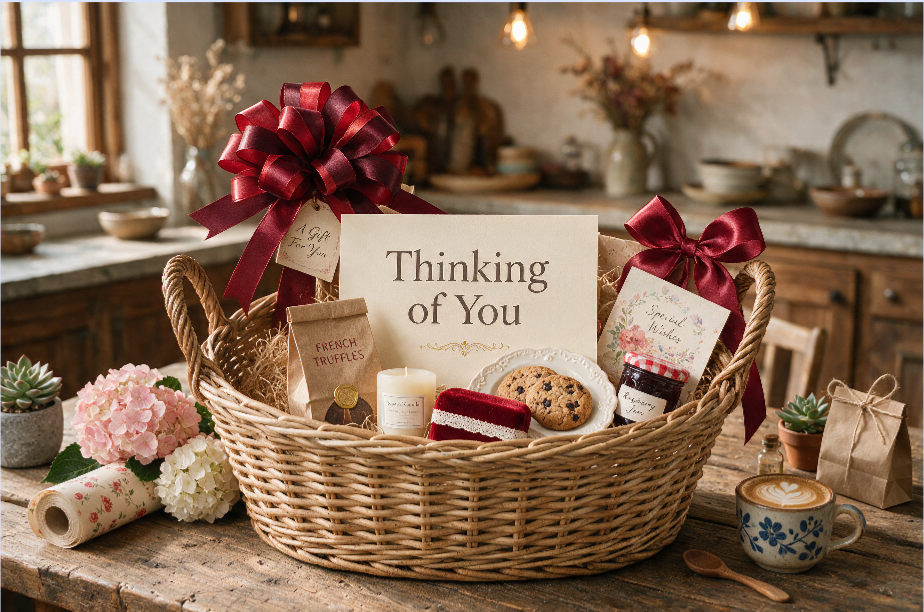
Finding a gift that feels personal, useful, and memorable can be harder than it seems. Flowers are lovely, gift cards are convenient, and traditional presents have their place, but sometimes the best choice is a collection of small things that work beautifully together. A thoughtfully arranged gift basket can do exactly that.
Gift baskets allow you to combine treats, practical items, and personal touches in one attractive package. They can be adapted for birthdays, anniversaries, weddings, holidays, housewarmings, business celebrations, and many other occasions. More importantly, they can reflect the recipient’s interests instead of feeling like a last-minute purchase.
The secret is not to fill a basket with as many products as possible. It is to choose a clear theme, understand the recipient’s preferences, and arrange everything with care. With a little planning, even a simple collection of everyday items can become a meaningful gift.
Why Gift Baskets Make Such Versatile Presents
One of the biggest advantages of a gift basket is flexibility. You can create one around almost any interest, from gourmet food and coffee to self-care products, books, gardening supplies, or movie-night essentials.
Unlike a single item, a basket creates a small experience. The recipient can explore different products, discover new favorites, and enjoy the thought behind each selection.
Gift baskets are particularly useful when you want to:
- Celebrate a special milestone with something personal.
- Thank a friend, colleague, client, or family member.
- Send congratulations to someone who lives far away.
- Share a collection of treats with a couple or household.
- Create a coordinated present without purchasing a large number of unrelated gifts.
They also suit different budgets. A smaller basket with carefully selected products can feel just as thoughtful as a luxurious arrangement when every item serves a purpose.
Start With the Recipient, Not the Products
Before choosing anything, consider the person receiving the gift. Their habits, interests, and lifestyle should guide your decisions.
Think About Their Everyday Interests
A person who enjoys cooking may appreciate specialty ingredients, olive oil, seasoning blends, and a useful kitchen accessory. Someone who loves reading might prefer a book, a comfortable pair of socks, tea, and a notebook.
For a friend who enjoys entertaining, a selection of gourmet snacks and serving accessories could be a better choice than a collection of items they would rarely use.
Think about what the recipient already enjoys rather than assuming that expensive products will impress them. A gift that fits someone’s personality often feels more meaningful than one chosen mainly for its appearance.
Consider Dietary Needs and Personal Preferences
Food-based gifts require a little extra attention. Before buying chocolates, biscuits, cheese, or other edible products, consider allergies, dietary restrictions, and personal preferences.
If you are unsure, choose clearly labeled products and avoid ingredients the recipient may not be able to consume. For gifts involving refrigerated foods, confirm that delivery and storage arrangements will keep the items at a safe temperature.
The same principle applies to non-food gifts. Fragrances, skincare products, and strongly scented candles may not suit everyone, so familiar preferences are a useful starting point.
Choose a Theme That Brings Everything Together
A strong theme helps a gift basket feel intentional. Without one, even good products can look like a random collection of purchases.
Gourmet Treats for Food Lovers
Food-themed baskets are popular because they offer something enjoyable to share or save for a special moment. You might combine crackers, nuts, preserves, specialty biscuits, chocolates, and other treats that complement one another.
For recipients who enjoy contrasting textures and rich desserts, wine and chocolate gift baskets can provide inspiration for a coordinated gourmet present. The general idea is to combine products that suit a shared occasion rather than simply placing unrelated items together.
Chocolate-focused baskets also work well for anniversaries, Valentine’s Day, birthdays, and holiday celebrations. Choose a mix of familiar favorites and one or two unusual treats to make the selection more interesting.
Cheese and Entertaining Essentials
For someone who enjoys hosting friends, a basket built around a sharing occasion can be especially useful. Specialty crackers, cheese accompaniments, olives, nuts, serving utensils, and attractive napkins can create a coordinated collection.
Those exploring wine and cheese gift baskets can take a similar approach: select complementary items with entertaining in mind. Consider the recipient’s tastes, the occasion, and whether the products can be stored and served conveniently.
When including perishable foods, make sure the packaging, delivery timing, and storage instructions are appropriate. If refrigeration cannot be guaranteed, shelf-stable alternatives are often more practical.
Relaxation and Self-Care
Not every basket needs to revolve around food. A relaxation-themed gift could include herbal tea, a soft blanket, a journal, a sleep mask, and a favorite book.
For housewarming, consider useful items such as a small plant, kitchen towels, a serving board, and pantry essentials. For a student, stationery, snacks, a reusable water bottle, and a handwritten note may be more suitable.
The best theme is one that makes sense for the recipient’s life.
Balance Quality, Variety, and Budget
A good basket does not need to be expensive. It needs a sensible balance of products.
Start by deciding how much you want to spend, including packaging and delivery. Then divide the budget among a few main items, smaller additions, and presentation materials.
A practical basket might include:
- One main gift that establishes the theme.
- Two or three complementary items.
- One small extra that adds variety.
- A handwritten card with a personal message.
For example, a coffee-themed basket might contain a bag of quality coffee, a ceramic mug, biscuits, and a small card. A movie-night basket could include popcorn, sweets, a cozy blanket, and a list of recommended films.
Avoid buying extra items simply to make the basket look full. Too many products can make it difficult to see the individual selections and may increase waste.
Instead, use tissue paper, shredded paper filler, or reusable fabric to support the items and create a neat arrangement.
Presentation Matters More Than You Might Think
The way a gift is presented shapes the recipient’s first impression. Fortunately, an attractive arrangement does not require professional packaging skills.
Choose the Right Container
A traditional wicker basket is only one option. Wooden boxes, reusable storage containers, sturdy gift boxes, and fabric bags can all work well.
Choose a container that fits the theme and is large enough to hold everything securely. A container that is too large can make the contents appear sparse, while an overcrowded one may look untidy.
Reusable containers are particularly practical because the recipient can put them to work after opening the gift.
Arrange Items With Care
Place heavier products at the bottom and taller items toward the back. Keep smaller items near the front so they remain visible.
Use filler to prevent products from moving during transport, but avoid covering everything with excessive packaging. If the basket contains fragile items, wrap them separately and secure them properly.
For food gifts, keep products in their original packaging when appropriate, especially when ingredient labels, allergen information, or storage instructions matter.
Add a Personal Message
A short handwritten note can make an ordinary gift feel much more personal. Mention the occasion, explain why you chose the gift, or share a warm wish for the recipient.
For example, a housewarming note might congratulate the recipient on their new home and wish them many happy memories there. A thank-you note could mention a specific favor or kindness you appreciate.
Personalization does not have to mean engraving names on every item. Sometimes a sincere message is the most meaningful part of the entire basket.
Match the Basket to the Occasion
Different events call for different approaches, even when the basic idea remains the same.
Birthdays and Anniversaries
Choose items connected to the recipient’s interests or shared memories. Favorite snacks, a small keepsake, and a handwritten note can make the gift feel individual rather than generic.
Holidays and Family Gatherings
Seasonal treats, baking ingredients, specialty snacks, and festive accessories can create a cheerful gift. Consider whether the recipient will be traveling or hosting guests before including fragile or perishable products.
Corporate and Professional Gifts
Professional gifting requires a balance between warmth and practicality. Choose broadly appealing items, attractive packaging, and a message that suits the relationship.
Before sending gifts to clients or colleagues, check any relevant company policies, spending limits, dietary requirements, and delivery arrangements. A well-considered present should make the recipient comfortable, not place them in an awkward position.
Housewarmings and Thank-You Gifts
Useful household items and consumable treats are often suitable because they do not require the recipient to find permanent storage for another decorative object. A few carefully chosen essentials can be more helpful than a large collection of novelty products.
Common Gift Basket Mistakes to Avoid
Even a generous gift can miss the mark when the details are overlooked.
Ignoring the recipient’s preferences: A beautiful basket is not useful if most of its contents go unused. Start with the recipient’s interests and practical needs.
Choosing products without a clear theme: A consistent idea helps the basket feel coordinated. Select items that work together rather than buying products simply because they are on sale.
Forgetting delivery conditions: Fragile products can break, while temperature-sensitive foods may spoil if handled incorrectly. Check packaging requirements and delivery timing before ordering.
Overlooking expiration dates: For edible gifts, choose products with suitable shelf lives, particularly when the recipient may not open the package immediately.
Spending too much on packaging: Presentation matters, but the contents and thought behind the gift should remain the priority. Reusable and recyclable materials can look attractive without unnecessary expense.
Leaving the message until the last minute: A thoughtful card helps explain why the gift matters. Prepare it alongside the basket rather than treating it as an afterthought.
Frequently Asked Questions
What should I put in a gift basket?
Start with a theme and choose a few complementary products. Gourmet foods, chocolates, coffee, tea, books, self-care items, and useful household accessories are all possible options. The right selection depends on the recipient and the occasion.
How many items should a gift basket contain?
There is no fixed number. A small basket with four or five carefully chosen items can be more effective than a large basket filled with unrelated products. Focus on variety, quality, and usefulness.
Are gift baskets suitable for professional occasions?
Yes. They can work well for client appreciation, employee recognition, business milestones, and holiday gifting. Choose appropriate products, keep the presentation professional, and check any relevant company gift policies.
How can I make a gift basket feel more personal?
Include the recipient’s favorite treats, choose items connected to their hobbies, and add a handwritten note. Even one carefully selected item that reflects a shared memory can make the gift feel more meaningful.
Is it better to make a gift basket or order one?
Making a basket yourself gives you greater control over the contents and presentation. Ordering a ready-made basket can save time and may simplify delivery, particularly when sending a gift to someone in another city. The better option depends on your schedule, budget, and desired level of personalization.
Final Thoughts
Creating a thoughtful gift basket is about understanding the person behind the occasion. A clear theme, suitable products, careful presentation, and a sincere message can turn a collection of everyday items into something memorable.
You do not need the biggest basket or the most expensive products to make a good impression. Start with the recipient’s interests, choose items that complement one another, and pay attention to practical details such as packaging, storage, and delivery.
Whether you are celebrating a birthday, thanking a colleague, welcoming someone to a new home, or preparing for a holiday, a well-planned basket offers a flexible way to show appreciation. When every choice has a reason behind it, the gift becomes more than a package—it becomes a small experience designed especially for the person receiving it.