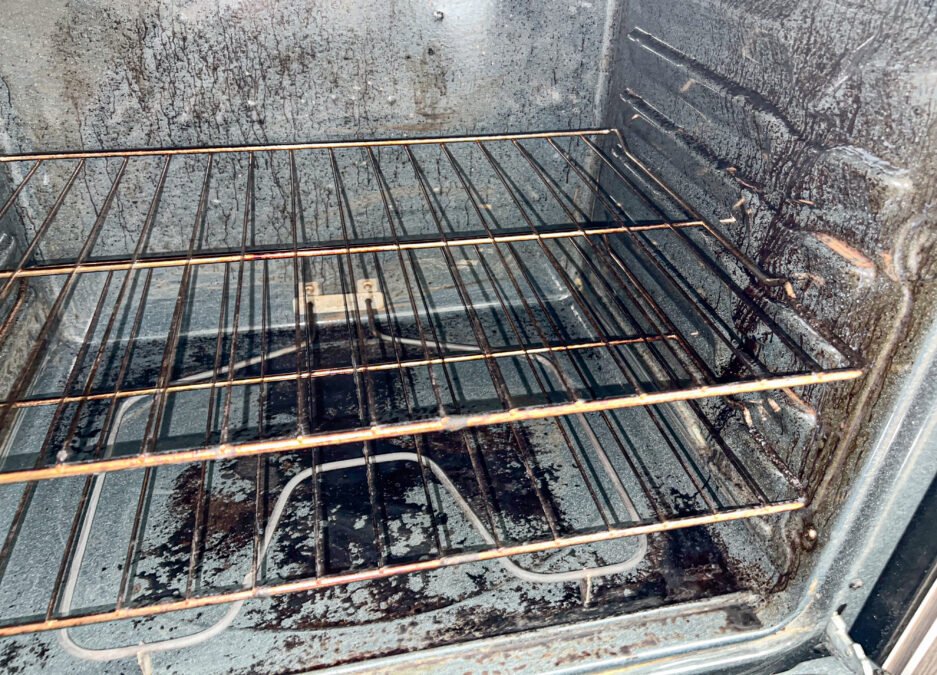
If your oven has seen one too many roast dinners, bubbling casseroles, and trays of cookies that overflowed at the worst possible moment, you are not alone. Most of us put off cleaning the oven until the grime is staring back at us every time we open the door. The good news is that learning how to clean oven with baking soda is one of the easiest and cheapest kitchen jobs you will ever tackle. You do not need harsh chemical sprays, fancy gadgets, or a whole afternoon of scrubbing. A box of baking soda, a little water, and a bit of patience can bring back a sparkling oven — and your kitchen will smell like nothing at all, which is exactly how it should be.
In this guide to how to clean oven with baking soda, we will walk through the whole process step by step, from mixing the paste to wiping away the last of the grease. You will also find tips for cleaning the racks and the glass door, a quick method for when you are short on time, and the mistakes you should steer clear of. So roll up your sleeves, put the kettle on, and let’s give your oven the fresh start it deserves.
Why Learning How to Clean Oven with Baking Soda Is Worth It
Let’s be honest: oven cleaning has a bad reputation. Store-bought oven cleaners often come with strong fumes, warning labels, and gloves that make you feel like you are handling something from a science lab. Baking soda, on the other hand, is a gentle, everyday ingredient that most of us already have sitting in the pantry. It is cheap, widely available, and kind to your hands, your nose, and the planet.
But does it actually work when you learn how to clean oven with baking soda? Yes — and there is a simple reason why. Baking soda is mildly alkaline, which means it helps break down the fatty, acidic grime that builds up inside an oven. When you spread a baking soda paste over burnt-on food and leave it to sit, it slowly softens the mess so you can wipe it away instead of chiselling it off. It also works as a very gentle abrasive, so it can lift stuck-on spots without scratching the enamel coating of your oven.
There are a few other reasons this method has become so popular:
- It is budget-friendly. A box of baking soda costs very little, and you probably already own one.
- It is fume-free. Unlike many commercial oven cleaners, baking soda does not fill your kitchen with harsh chemical smells.
- It is safe for most ovens. When used correctly, it will not damage the enamel interior.
- It tackles odours too. Baking soda is well known for soaking up smells, so your oven will not only look cleaner, it will smell fresher as well.
Of course, no method is perfect. Baking soda works best when you give it time — ideally overnight — and very heavy, years-old build-up may need a second round. But for most ovens, this approach does the job beautifully, and it is far less of a chore than most people expect.
What You Need to Clean Your Oven with Baking Soda
Before you start to learn how to clean oven with baking soda, gather everything you need. Having your supplies ready means you will not be hunting for a sponge with paste-covered hands halfway through the job. Here is a handy list:
| Supply | What It Is For |
|---|---|
| Baking soda (about 1 cup) | The star of the show — makes the cleaning paste |
| Water (3–4 tablespoons) | Mixes with baking soda to form a spreadable paste |
| White vinegar in a spray bottle | Rinses away residue and lifts any leftover paste |
| Rubber gloves | Keeps your hands clean and comfortable |
| A small bowl and a spoon | For mixing the paste |
| A spatula or old spoon | For spreading the paste evenly |
| A damp sponge or microfibre cloth | For wiping the paste away |
| A plastic scraper | For stubborn spots (never use metal on enamel) |
| Old towels or newspaper | To protect the floor under the oven door |
| A bin bag or old towel | For the racks while they soak |
That is really all there is to it. No special equipment, no expensive products — just simple household items doing a brilliant job. If you are also giving the rest of your kitchen some love, you might enjoy our guide on how to clean a microwave, which uses a similarly gentle approach.
How to Clean Oven with Baking Soda Overnight
The overnight method is the gold standard for how to clean oven with baking soda. It asks for only about fifteen minutes of actual work, and then the baking soda does the heavy lifting while you sleep. Here is how to do it.
Step One: Empty the Oven and Give It a Quick Wipe
First, make sure the oven is completely cool — never clean a hot oven. Take out the racks, the thermometer, and anything else stored inside. Then, using a damp cloth or a paper towel, wipe out any loose crumbs and burnt bits from the oven floor. This quick step stops loose debris from getting in the way later.
Step Two: Mix the Baking Soda Paste
In a small bowl, mix about half a cup to one cup of baking soda with three to four tablespoons of water. Stir until you get a thick, spreadable paste — something like the consistency of toothpaste or thick frosting. If it is too runny, add a little more baking soda. If it is too stiff, add water a drop at a time. You want a paste that clings to the walls rather than sliding straight down to the floor.
Step Three: Spread the Paste Inside the Oven
Put on your gloves and spread the paste over the inside surfaces of the oven: the floor, the walls, the ceiling, and the inside of the door. Pay extra attention to the greasy spots and the areas where food has baked on. The paste may turn brown as it picks up grease — that is a good sign; it means it is working.
One important rule: do not spread the paste on the heating elements. On an electric oven, avoid the coils at the top and bottom. On a gas oven, keep it away from the gas vents and the burner openings. Paste on these parts can cause problems when you next switch the oven on, and it is very hard to clean off them.
Step Four: Leave the Paste to Work Overnight
Close the oven door and leave the paste to sit for at least twelve hours — overnight is ideal. During this time, the baking soda slowly loosens the burnt-on grime. It is tempting to peek, but try to leave it alone so it can do its job properly. Go and enjoy your evening; the oven will still be there in the morning.
Step Five: Wipe Away the Paste
In the morning, open the oven and grab your damp sponge or cloth. Wipe out as much of the dried paste as you can. Most of the grime should come away with it. For any stubborn patches, use a plastic scraper and gently lift the residue. Take your time — there is no rush, and a little patience now saves a lot of scrubbing later.
Step Six: Spray with Vinegar and Wipe Clean
Now fill a spray bottle with plain white vinegar and lightly mist the inside of the oven. The vinegar will fizz as it reacts with any leftover baking soda, which helps lift the last traces of paste and grease. Wipe everything down with a clean, damp cloth, rinsing the cloth often. You may need two or three passes before the surfaces feel smooth and clean rather than slightly gritty. Finish by drying the inside with a clean towel, and your oven should look wonderfully fresh.
How to Clean Oven Racks with Baking Soda
The racks deserve attention too when you learn how to clean oven with baking soda, because they often collect the worst of the grease. Luckily, cleaning them is just as straightforward.
Start by laying the racks in your bathtub or a large sink — line the tub with an old towel first to protect it from scratches. Sprinkle baking soda generously over the racks, then spray or pour white vinegar over them and watch the fizz begin. Next, fill the tub with hot water until the racks are fully covered, and leave them to soak for at least a few hours, or overnight if they are very grimy.
When the soaking time is up, scrub the racks with a sponge or an old toothbrush to reach into the corners and around the bars. Rinse them well with clean water and dry them before sliding them back into the oven. If your racks are only lightly soiled, a shorter soak in hot water with a few spoonfuls of baking soda and a squirt of washing-up liquid will often do the trick.
How to Clean Oven with Baking Soda and Vinegar
You have probably seen the famous baking soda and vinegar fizz in countless cleaning tips on how to clean oven with baking soda, and it is worth understanding what each ingredient actually does in this method. The baking soda paste does the real cleaning work: it softens grease and lifts burnt-on food while it sits overnight. The vinegar comes in at the end as a rinse. When vinegar meets leftover baking soda, the fizzing reaction helps loosen the last bits of paste so they wipe away more easily, and it leaves the surfaces feeling clean and residue-free.
A word of caution, though: do not mix the two together at the start and expect a super-cleaner. Once baking soda and vinegar react, they mostly neutralise each other, so the mixture loses much of its cleaning power. The smart order is baking soda first, vinegar second — paste overnight, then a vinegar spray in the morning. That way, each ingredient gets to do what it does best.
If you enjoy this kind of gentle, natural cleaning, the same thinking applies elsewhere in the kitchen. Our guide on how to descale a Keurig coffee maker shows how a simple vinegar rinse can keep another hard-working appliance in top shape.
Baking Soda Paste vs Store-Bought Oven Cleaner
It is natural to wonder whether a homemade paste can really compete with a product designed for the job. The truth is that both approaches have their place, and the best choice depends on your oven, your schedule, and your comfort with chemicals. Here is a fair comparison:
| Feature | Baking Soda Paste | Store-Bought Oven Cleaner |
|---|---|---|
| Cost | Very low — a few cents per clean | Moderate — a bottle lasts a few cleans |
| Fumes | None | Often strong; ventilation needed |
| Time needed | 12 hours sitting, ~15 minutes of work | Usually 30 minutes to a few hours |
| Effort | Light wiping; may need a second round | Less scrubbing for heavy grime |
| Safety for hands | Gentle; gloves still recommended | Gloves essential; can irritate skin |
| Effect on enamel | Very gentle when used correctly | Safe if used as directed, but harsh if overused |
| Odour left behind | None — fresh and neutral | Chemical smell that can linger |
| Best for | Regular cleaning and moderate build-up | Very heavy, long-neglected grime |
For most households, the baking soda method wins on everyday value. It is cheaper, safer, and perfectly capable of handling the kind of mess a normal family oven builds up between cleans. A store-bought cleaner is worth keeping in mind for an oven that has not been cleaned in years, but even then, a second round of baking soda paste often gets you there — without the fumes.
For a second opinion on the method from a reputable home-care source, see this step-by-step guide on cleaning an oven with baking soda, which covers the same paste-and-wait approach.
How to Clean Oven with Baking Soda in a Hurry
Sometimes you do not have twelve hours to spare. Perhaps guests are coming this evening, or you have just noticed the oven is overdue for a clean and dinner is already planned. The good news is that you can still use the baking soda method on a shorter timetable — it just takes a little more elbow grease.
First, warm the oven very slightly — to around 100°C (about 200°F) — then switch it off and let it cool until it is warm rather than hot. The gentle warmth helps soften the grime. While it cools, mix your paste a little thinner than usual so it spreads easily. Apply it to the worst areas, leave it for one to two hours, and then wipe and rinse as described above, using the vinegar spray to finish.
For extra help on stubborn spots when you learn how to clean oven with baking soda, sprinkle a little dry baking soda directly onto a damp sponge and rub gently in circles. The mild abrasive action can shift spots that the paste alone did not lift. This quick version will not match the overnight method on a very dirty oven, but it can make a real difference in an afternoon — and it beats putting the job off for another month.
What Not to Do When You Clean Your Oven with Baking Soda
Baking soda is forgiving, but a few mistakes can cause trouble. Keep these in mind and your oven will thank you.
- Never spread paste on the heating element. As mentioned above, keep it away from electric coils, gas burners, and vents. Residue on these parts can smoke or smell when the oven heats up.
- Do not run the self-clean cycle with baking soda paste inside. The self-clean cycle heats the oven to extremely high temperatures, and any paste left inside can bake on hard or create smoke. Always wipe the oven completely clean and dry before using the self-clean function.
- Do not use a metal scraper or steel wool. These can scratch the enamel coating, and scratched enamel is much harder to keep clean in future. Stick to a plastic scraper and a soft sponge.
- Do not mix baking soda with bleach or other cleaners. Baking soda is safe on its own, but mixing cleaning products can create harmful fumes. Keep it simple: baking soda, water, and vinegar are all you need.
- Do not skip the rinse. Leftover baking soda can leave a white film and a slightly chalky feel. A vinegar spray and a couple of passes with a clean damp cloth will take care of it.
- Do not clean a hot oven. Always let the oven cool completely before you start. Cleaning a hot oven is a burn risk, and the paste will dry out before it has a chance to work.
How Often Should You Clean Your Oven
There is no single rule for how to clean oven with baking soda that suits every household, because it depends on how often you cook and what you cook. As a rough guide, a deep clean with baking soda two to three times a year keeps most ovens in good shape. If you roast meat, bake pies, or cook at high temperatures most weeks, you may want to do it every two or three months instead.
Between deep cleans, a quick wipe after spills makes a world of difference. If a casserole bubbles over, wait until the oven is cool, then wipe up the spill with a damp cloth. It takes a minute, and it stops the spill from baking into a stubborn stain at the next roast. Little habits like this are the secret to never facing a truly dreadful oven again.
Easy Habits That Keep Your Oven Cleaner for Longer
Once your oven is sparkling after you learn how to clean oven with baking soda, a few simple habits will help it stay that way.
- Use a baking tray under dishes that might bubble over. A tray catches drips before they reach the oven floor.
- Line the bottom rack with foil or a reusable oven liner. This catches spills, but check your oven manual first — some manufacturers advise against lining the oven floor directly.
- Wipe up spills once the oven has cooled. Fresh spills come off in seconds; baked-on spills take hours.
- Give the door glass a quick wipe each week. A damp cloth and a sprinkle of baking soda will keep the glass clear so you can actually see your dinner cooking.
- Keep a box of baking soda in the kitchen. When the paste is always to hand, the job feels far less daunting, and you are more likely to do it regularly.
- Clean the racks when you deep-clean the oven. Doing both jobs on the same day means the whole oven feels finished, not half done.
These small steps add up. An oven that gets a little attention regularly never reaches the state that makes people dread cleaning it — and regular cleaning also helps your food cook more evenly and taste its best, since burnt-on residue can add unwanted flavours and smoke.
Final Thoughts on How to Clean Oven with Baking Soda
Learning how to clean oven with baking soda is one of those small kitchen skills that pays off again and again. It costs almost nothing, it avoids harsh chemical fumes, and it turns a job most of us dread into something genuinely manageable. Mix a simple paste, spread it on, let it work overnight, and wipe it away in the morning — that is really all there is to it.
So the next time you open the oven door and wince at the state of things, remember that the answer is probably already sitting in your pantry. Give your oven an evening of baking soda treatment, and wake up to a cleaner, fresher kitchen that is ready for whatever you cook next. Your oven works hard for you every day; a little care in return goes a long way.