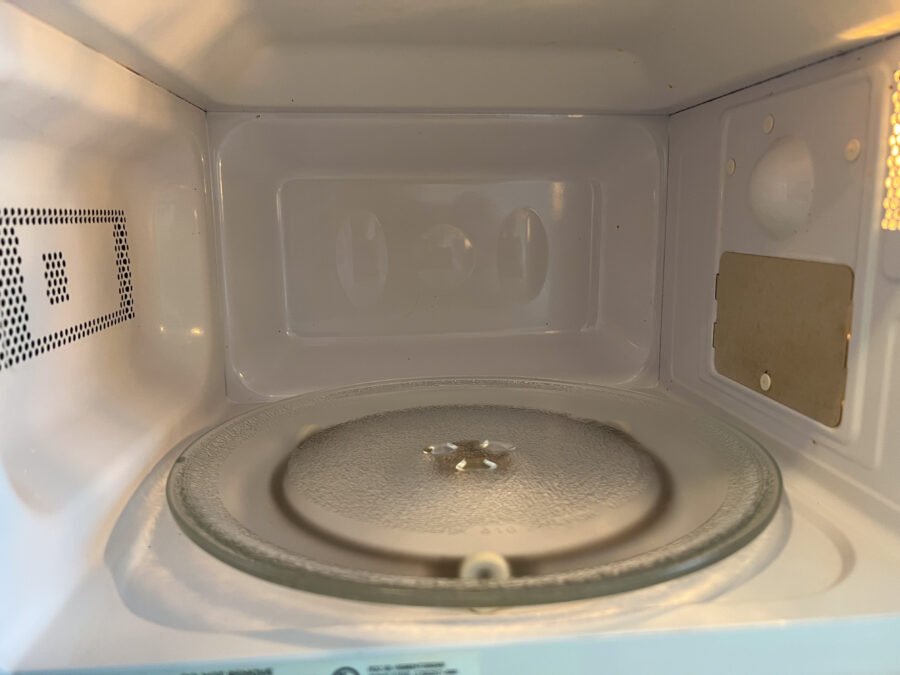
If you have ever opened your microwave door and winced at the splatters staring back at you, you are not alone. Learning how to clean a microwave the right way can turn a dreaded chore into a quick, satisfying win.
Why Learning How to Clean a Microwave Matters
A microwave might look small and simple, but it quietly collects a surprising amount of grime, which is why knowing how to clean a microwave matters. Every time food bubbles over or splatters against the walls, a thin layer of grease and crumbs is left behind. Over time, those layers build up, the inside starts to smell stale, and old residue can even affect the taste of the next meal you heat up. Nobody wants their morning oatmeal to carry a faint hint of last week’s fish dinner.
There is a practical side to this, too. A clean microwave heats food more evenly, since hardened splatters can absorb energy and create hot spots. Keeping the cavity clean also protects the surfaces: dried-on food can stain the interior coating, and over months of neglect that staining can become permanent. A few minutes of care now saves you from a much bigger headache later.
Beyond that, there is something deeply satisfying about opening a microwave that gleams. It is one of those small household wins that makes the whole kitchen feel fresher. The trick, as with most cleaning jobs, is to let steam and time do the heavy lifting, rather than your elbow grease.
What You Need Before You Start
Before you roll up your sleeves to learn how to clean a microwave, gather your supplies. The beauty of this job is that you probably already have everything you need in your kitchen cupboards, with no need for a special trip to the store or an expensive cleaning spray.
Supplies That Work Wonders
- A microwave-safe bowl or large mug
- Fresh water
- A lemon, cut in half, or two tablespoons of white vinegar
- Baking soda
- A soft sponge or a couple of clean microfiber cloths
- A small bowl for mixing a paste
- A drop of mild dish soap
- Oven mitts or a folded tea towel for handling hot bowls
That is genuinely all it takes. Lemon and vinegar are mild acids, which is why they cut through grease and loosen dried food so well. Baking soda is a gentle abrasive and a natural deodorizer, perfect for spots that steam alone cannot shift.
Tools to Leave in the Cupboard
Just as important as knowing what to use is knowing what to avoid. Steel wool, scouring pads, and stiff-bristled brushes can scratch the interior coating, and those scratches trap food and become harder to clean next time. Harsh oven cleaners, bleach, and ammonia-based sprays should also stay far away: their fumes can linger, and residue could end up in your food. If a product label does not say it is safe for microwave interiors, leave it on the shelf.
How to Clean a Microwave with Lemon and Water
Of all the methods out there, the lemon and water steam method is the crowd favorite, and for good reason. It is simple, it smells wonderful, and it does most of the work for you. Manufacturers recommend this approach too: Panasonic, for example, suggests heating a small bowl of water with lemon slices for about five minutes so the steam can loosen the dirt before you wipe it away. You can read their guidance here: Panasonic’s guide to microwave cleaning.
Here is how to do it, step by step:
- Fill a microwave-safe bowl with water. Pour in about one to two cups of water. A wide bowl works better than a tall, narrow mug because it gives off more steam.
- Add the lemon. Squeeze the juice of half a lemon into the water, then drop the squeezed half into the bowl as well. The citrus does double duty: it helps cut grease and leaves a fresh scent behind.
- Heat the mixture. Place the bowl in the center of the microwave and heat it on high for three to five minutes, until the water is steaming and bubbling well.
- Let it sit. Here is the part most people skip, and it matters a lot: once the timer stops, leave the door closed for another five minutes so the trapped steam can soften even the most stubborn splatters.
- Remove the bowl carefully. Put on your oven mitts, because the bowl will be very hot. Set it aside on a heat-proof surface.
- Wipe everything down. Take a soft, damp cloth and wipe the ceiling, walls, floor, and inside of the door. You will be amazed at how easily the loosened grime comes away. For any spots that put up a fight, dip your cloth in the warm lemon water and give them another gentle pass.
- Dry and admire. Give the interior a final wipe with a dry cloth, and your microwave will look and smell as good as new.
If your microwave has a built-in steam-clean function, check your manual for its recommended water amount first.
How to Clean a Microwave with Vinegar Steam
If lemons are not on hand, vinegar is a brilliant stand-in. White vinegar is a kitchen workhorse, and its mild acidity makes short work of grease and baked-on food. The method is nearly identical to the lemon version, with one small difference: the smell. Vinegar steam has a sharp odor while it is working, but do not let that put you off. The smell fades quickly once you wipe everything down and leave the door open for a few minutes.
To use this method, fill a microwave-safe bowl with one cup of water and add two tablespoons of white vinegar. Heat the mixture on high for three to five minutes, then leave the door closed for another five minutes so the steam can work its magic. Carefully remove the bowl with oven mitts and wipe the interior with a soft cloth. For extra freshness, follow up with a cloth dampened in plain water to remove any lingering vinegar scent.
This trick is also a great choice if you are learning how to clean a microwave with a stubborn smell, such as burnt popcorn or reheated curry. The vinegar neutralizes odors rather than just covering them up. If the smell is especially strong, run the steam cycle a second time.
How to Clean a Microwave with Baking Soda Paste
Steam handles most messes, but every now and then you will meet a spot that refuses to budge. That is when baking soda earns its keep. A simple paste of baking soda and water is gentle enough not to scratch the interior, yet firm enough to lift crusty, baked-on food that steam alone could not move.
Mix three tablespoons of baking soda with just enough water to form a thick paste, about the consistency of toothpaste. Using a soft sponge or an old toothbrush, spread the paste over the stubborn spots and let it sit for ten to fifteen minutes. The paste will slowly break down the dried residue while you get on with something else. When the time is up, wipe the paste away with a damp cloth, rinsing the cloth often. You may need to repeat the process once for truly ancient splatters, but patience beats pressure here. There is no need to scrub hard, and scrubbing hard is exactly what can damage the interior surface.
Baking soda also pulls double duty as a deodorizer. If a lingering smell remains after steaming, wipe the interior with a damp cloth sprinkled with baking soda, then follow up with a clean, damp cloth.
For a deeper dive into what baking soda can do around the kitchen, you may enjoy our guide on how to clean an oven with baking soda. The same gentle, budget-friendly approach works wonders there, too.
How to Clean a Microwave Turntable and Door Seal
The turntable and the door seal are two spots that many people forget when they learn how to clean a microwave, yet they collect more grime than almost anywhere else in the microwave. The turntable catches every drip and spill, while the rubber seal around the door traps crumbs and splashes that never quite get wiped away.
Start with the turntable. Lift it out, along with the roller ring underneath, and wash both in warm, soapy water in the sink, just as you would wash a plate. If the glass plate has baked-on food, let it soak for ten minutes first. Dry both pieces fully before putting them back, and wipe the floor underneath while they are out.
Next, turn your attention to the door seal. Dampen a soft cloth with warm, soapy water and wipe gently around the entire rubber gasket, paying attention to the folds and corners where crumbs settle. Do not pull or stretch the seal, and never use a sharp object to dig food out of the grooves; a cotton bud works well for narrow spots. A clean seal helps the door close properly. Once it is clean, wipe the outside of the door and the control panel with a barely damp cloth, then dry everything with a soft towel.
How to Clean a Microwave That Smells Bad
Even a microwave that looks clean can sometimes hold on to an unpleasant smell. Burnt popcorn is the classic culprit, but strong foods like fish, garlic, and curry can also leave their mark long after the meal is gone. The good news is that a bad smell is usually easy to fix without air freshener.
The lemon steam method described earlier is a great first step, since citrus is a natural deodorizer. If the smell lingers after that, try the baking soda approach: place a small bowl of water with two tablespoons of baking soda inside, heat it for two to three minutes, let it sit for five minutes, then wipe the interior down. For a truly stubborn odor, you can leave a small open bowl of baking soda inside the microwave overnight with the door closed. By morning, the baking soda will have absorbed much of the smell.
Another simple habit helps a great deal: after cooking strong-smelling food, leave the microwave door open for a few minutes so the steam and odor escape instead of staying trapped inside. Wiping up spills right after they happen is the single best way to stop smells from building up in the first place.
Cleaning Methods Compared
Each method has its strengths, and the best choice depends on the mess you are facing. Here is a quick comparison to help you pick the right approach.
| Method | Best For | What You Need | Time Needed |
|---|---|---|---|
| Lemon and water steam | Everyday grime and light odors | Water, half a lemon, microwave-safe bowl | About 10 minutes |
| Vinegar steam | Grease and strong odors | Water, white vinegar, microwave-safe bowl | About 10 minutes |
| Baking soda paste | Stubborn, baked-on spots | Baking soda, water, soft sponge | About 20 minutes |
| Warm soapy water wipe | Light daily cleaning | Mild dish soap, soft cloth | About 5 minutes |
| Baking soda deodorizer bowl | Lingering smells | Baking soda, water, small bowl | Overnight, or 10 minutes heated |
As the table shows, steam methods are the fastest route for most jobs, while baking soda paste is best for spots that have been ignored a little too long. For day-to-day upkeep, nothing beats a quick wipe with warm, soapy water after use.
What Not to Use Inside Your Microwave
The inside of a microwave has a special coating and a delicate door seal, and the wrong cleaner can damage both. Here is what should never go near your microwave’s interior.
- Abrasive pads and steel wool. These scratch the interior coating, and scratched surfaces trap food and become harder to clean over time.
- Harsh chemical cleaners. Oven cleaners, bleach, and ammonia-based sprays can leave behind residue and fumes that do not belong near food. Stick to mild dish soap and kitchen staples.
- Metal scrapers or knives. Never use a sharp metal tool to chip off dried food. It will gouge the surface and can damage the door seal.
- Undiluted vinegar or lemon juice left to sit. A little acid in steam is fine, but do not leave strong, undiluted acids sitting on the interior surfaces for long periods, especially if your manual advises against it. Some manufacturers, such as Bosch, recommend mild soapy water rather than lemon, so always check your manual first.
- Sealed containers of water. Never heat water in a sealed container, and be careful when heating plain water in a very smooth cup, since water can become superheated and erupt when disturbed. Always follow your microwave’s manual for recommended heating times, and handle hot bowls with oven mitts.
When in doubt, the safest rule is simple: if a product is not labeled safe for microwave interiors, do not use it inside yours. Warm water, mild soap, lemon, vinegar, and baking soda cover nearly every cleaning situation you will ever face.
How Often Should You Clean Your Microwave?
How often you clean your microwave depends on how much you use it, and knowing how to clean a microwave well makes the routine easy. For a household that uses it daily, a quick wipe of the interior once a week keeps things firmly under control. If you use it only a few times a week, a wipe every couple of weeks is usually enough. The key is to catch spills early: wiping up a splash while it is still warm takes seconds, while the same splash left to bake on can take ten minutes of steam and scrubbing to remove.
A deeper clean, using the lemon or vinegar steam method, is worth doing about once a month, or whenever you notice a smell or a buildup of splatters. Wash the turntable in the sink at the same time. If several people share a kitchen, a quick weekly wipe keeps the appliance pleasant for everyone. Small, regular care beats an occasional big rescue mission every time.
If you are building a whole-kitchen cleaning routine, it is worth pairing microwave care with the care of other appliances. Our guide on how to descale a Keurig coffee maker shows how the same spirit of gentle, regular maintenance keeps another hardworking appliance in top shape.
Common Mistakes When You Clean a Microwave
Even a simple job like learning how to clean a microwave has a few traps, and most of them come from rushing. The most common mistake is skipping the waiting time after the steam cycle. It is tempting to open the door the moment the beep sounds, but those extra five minutes with the door closed are when the steam does its best work. Opening the door early lets the steam escape before it has fully softened the grime, which means more scrubbing for you.
Another frequent mistake is using too much force. When a spot will not budge, the instinct is to scrub harder, but pressure is rarely the answer. A baking soda paste left to sit for ten minutes will do far more than five minutes of hard scrubbing, and it will not risk scratching the interior. Many people also forget the ceiling, where splatters collect out of sight, so give it the same attention as the walls and floor.
Finally, do not forget to dry the interior after wiping. Leaving the inside damp and closing the door can encourage stale smells, while a quick pass with a dry cloth leaves everything fresh. Leaving the door ajar for a few minutes also helps the interior air out fully.
Frequently Asked Questions About How to Clean a Microwave
Can I use dish soap inside my microwave?
Yes, mild dish soap is perfectly fine when you are learning how to clean a microwave. Add a drop to warm water, wipe the surfaces with a soft cloth, then go over everything again with a clean, damp cloth to remove soapy residue. Avoid harsh detergents or anything with bleach, and never spray cleaner directly onto the control panel.
How do I get burnt popcorn smell out of my microwave?
Start with the lemon steam method, then follow up with a bowl of water and baking soda heated for two to three minutes. If the smell is still there, leave an open bowl of baking soda inside the microwave overnight with the door closed.
Is it safe to clean a microwave with vinegar?
Yes, vinegar steam is a safe and widely used method, and manufacturers such as Whirlpool recommend heating water with a little vinegar or lemon juice to loosen food residue. The vinegar smell fades quickly after wiping. However, always check your own microwave’s manual first, since a few manufacturers recommend mild soapy water instead of acidic cleaners for their models.
How do I clean the outside of my microwave?
Wipe the exterior with a soft cloth dampened in warm, soapy water, then dry it with a clean towel. For stainless steel exteriors, wipe in the direction of the grain to avoid streaks. Be careful around the control panel: use a barely damp cloth rather than a wet one, and never spray liquid directly onto the buttons or display.
Why does my microwave get dirty so fast?
The most common reason is uncovered food. Soups, sauces, and anything with a high water content tend to bubble and splatter as they heat. Covering food with a microwave-safe lid, a paper towel, or a microwave cover catches those splatters before they reach the walls. It is a tiny habit that cuts cleaning time dramatically.
A Fresh Microwave Starts with a Simple Habit
At the end of the day, knowing how to clean a microwave is less about mastering a complicated technique and more about building a small, simple habit. Steam loosens, a soft cloth wipes, and a few kitchen staples handle the rest. Pick your favorite method and make it part of your routine.
Your microwave works hard for you every day, heating meals, warming drinks, and making busy evenings a little easier. Giving it a few minutes of care each week is a small thank-you that pays you back with fresher food and a cleaner kitchen. Now that you know how to clean a microwave the easy way, fill that bowl, squeeze that lemon, and let the steam do the work. Your future self, opening a sparkling microwave tomorrow morning, will be glad you did.