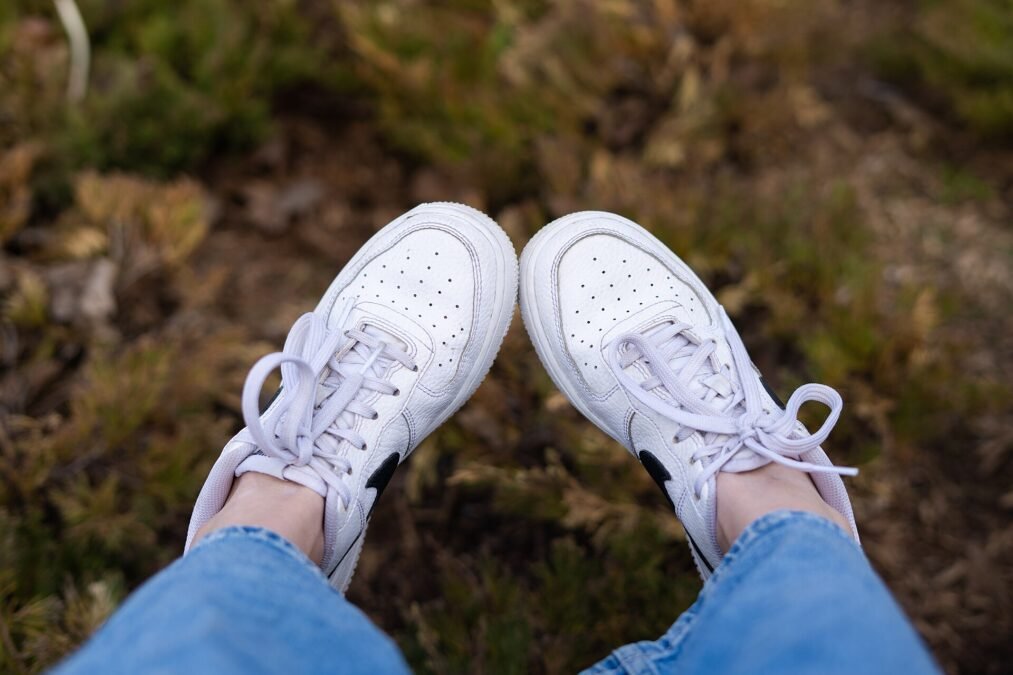
Learning how to clean white shoes the right way can turn a dull, grey-looking pair back into a fresh, bright favourite. White shoes look sharp with almost any outfit, yet they also show every mark, from a splash of mud to a faint grass stain. The good news is that most white shoes can be cleaned at home with simple tools, a little patience, and a method that suits the material. There is no need to reach for harsh chemicals first, and there is certainly no need to throw a good pair away because the colour has faded a little.
This guide walks you through how to clean white shoes step by step, from the first dry brush to the final protective spray. You will learn which method works for canvas, leather, suede, mesh, and knit uppers, how to brighten yellowed soles without damaging the fabric, how to clean laces and insoles, and how to dry your shoes so they keep their shape. Along the way, you will also find the mistakes to avoid, because a wrong cleaner or a hot dryer can do more harm than the dirt itself.
Before you start, take a moment to check the care label inside the tongue or on the maker’s website. The manufacturer’s instructions always come first, and they can save you from a costly error. If the label says not to machine wash a pair, trust it. Hand cleaning takes a little longer, but it is far gentler, and it usually gives a better result.
How to Clean White Shoes: Start With the Right Preparation
Good preparation makes the whole job easier, and it protects your shoes from extra damage. If you jump straight in with water and soap, loose dirt can turn into a thin grey paste and spread into the seams. A few quiet minutes of prep will help you avoid that trap. Good preparation is the first step in learning how to clean white shoes properly.
First, remove the laces and take out the insoles if they come out easily. Laces clean far better on their own, and insoles dry faster when they are out in the open air. Next, knock the shoes gently together outside, or over a bin, to shake off caked-on mud. Then use a dry, soft-bristled brush, an old toothbrush, or a dry cloth to brush away the remaining loose dirt. Work from the top of the shoe toward the sole, and pay extra attention to the seams and the edge where the upper meets the midsole.
Gather your tools before you mix anything. For most white shoes, you will need:
- A soft-bristled brush and an old toothbrush for small areas
- Two clean microfibre cloths, one for cleaning and one for wiping
- A small bowl of lukewarm water
- A mild dish soap or a gentle laundry detergent
- Baking soda, also called bicarbonate of soda, for stubborn marks
- White vinegar for canvas and rubber soles
- Plain white paper towels or clean white tissue paper for stuffing
- A suede brush and a suede eraser, if your shoes have suede parts
- A leather conditioner, if your shoes are leather
Keep the water lukewarm, not hot. Hot water can weaken glue, encourage yellowing, and make some fabrics shrink. Likewise, always test any cleaner on a hidden spot first, such as the inside of the tongue or a small area near the heel. Wait a few minutes, check for colour change or damage, and only then move on to the rest of the shoe. This small habit is the golden rule of shoe care, and it is worth following every single time.
How to Clean White Shoes by Material: A Quick Comparison Table
Not every white shoe should be cleaned in the same way. Canvas loves a gentle scrub, leather prefers a light wipe, suede hates water, and mesh needs a soft touch. The table below gives you a quick map, so you can find your material in seconds and follow the right path.
| Material | Best method | What to avoid | Drying time |
|---|---|---|---|
| Canvas | Mild soap and water with a soft brush; baking soda and vinegar paste for stains | Hot water, tumble dryer, undiluted chlorine bleach | About 24 hours |
| Smooth leather | Damp cloth with a drop of mild soap; wipe, never soak; condition after drying | Soaking, machine washing, harsh solvents, bleach on leather | Two to four hours |
| Suede and nubuck | Suede brush and suede eraser only, while completely dry | Water, soap, liquid cleaners, machine washing | No wet drying needed |
| Mesh and knit | Gentle hand wash with mild soap; soft brush in small circles | Rough scrubbing, hot water, tumble dryer | About 24 hours, up to 48 hours for thick knit |
| Rubber soles and midsoles | Baking soda paste or a damp magic eraser, used gently | Chlorine bleach on coloured parts, strong solvents | Wipe dry in minutes |
Use this table as a starting point, then read the section for your material below. If your shoes mix materials, for example a leather upper with suede panels, clean each part with its own method and work carefully around the delicate areas. A little care here goes a long way.
How to Clean White Canvas Shoes Without Fading Them
Canvas is one of the most forgiving materials, which is why classic canvas trainers are so popular. The fabric can take a gentle scrub, and stains often lift well with a simple homemade paste. Still, canvas is absorbent, so stains can sink in deep if you leave them for too long. The sooner you act, the easier the job will be.
Start with the dry brush step described above. Then mix a cleaning solution of one teaspoon of gentle liquid detergent in two cups of cool or lukewarm water. Dip your soft brush into the solution, tap off the extra water, and scrub the canvas in small circles, one section at a time. Do not flood the fabric. A damp brush is enough, and you can rinse the brush often in clean water.
For stubborn marks, make a paste from about three tablespoons of baking soda and one tablespoon of white vinegar, or water if you prefer a gentler mix. It will fizz a little, which is normal. Dip an old toothbrush into the paste and work it into the stain in small circles. Leave the paste on the stain for ten to twenty minutes, then wipe it away with a clean, damp cloth. Rinse the cloth often so you are not rubbing the dirt back in.
Some canvas shoes can go in the washing machine on a cold, gentle cycle inside a mesh laundry bag or a pillowcase, but only if the care label allows it. Even then, hand cleaning is usually safer. Machine washing can loosen glue, bend the shape, and damage cushioning, especially on older pairs or shoes with glued details. If you do use a machine, remove the laces and insoles, wash the shoes alone or with white laundry only, use a small amount of mild detergent, skip bleach and fabric softener, and never put the shoes in the dryer.
After cleaning, blot the canvas with a dry cloth and stuff the shoes with plain white paper towels. Let them air dry at room temperature, away from direct heat. Canvas usually needs about a full day to dry right through, so give it time and do not rush to wear the pair again.
How to Clean White Leather Shoes Gently and Safely
White leather shoes, such as classic court trainers, are often the easiest to keep looking fresh, yet they need a light touch. Leather is a natural material, and too much water can stiffen it, crack it, or leave stains. Think of it as skin: it likes a gentle clean and a little moisture, not a soak.
Begin by brushing off dry dirt with a soft, dry cloth. Then add two or three drops of mild dish soap to a cup of lukewarm water. Dip a microfibre cloth into the solution, wring it out until it is barely damp, and wipe the leather in small circles, one section at a time. Use a second cloth, dampened with plain water, to wipe away the soap. Avoid soaking the seams, the padded collar, and the area near the sole, because water can seep in and weaken the glue.
For scuffs on smooth leather, a slightly damp magic eraser can help, but use it gently and test it first on a hidden spot. Some guides warn against melamine sponges on smooth leather uppers, because they are mildly abrasive and can dull or scratch the finish. If you use one, keep the pressure light and stop if the surface starts to look dull. Never use acetone, strong solvents, or chlorine bleach on leather, and never scrub with a rough brush or an abrasive pad.
Once the leather is clean and dry, apply a small amount of leather conditioner made for white or light-coloured leather. Conditioner helps keep the leather soft and stops it from drying out and cracking. Test the conditioner first, because some products can darken light leather slightly. Apply it thinly, rub it in with a clean cloth, and wipe away any extra product.
Leather usually dries in two to four hours at room temperature. Do not dry it near a radiator, in strong sunlight, or with a hair dryer. Heat can warp the shape and crack the surface, and it can also speed up yellowing on white soles. Patience, as ever, is your best friend here.
How to Clean White Suede Shoes When Water Is Not an Option
Suede and nubuck are the delicate members of the shoe family, and they need a very different approach. Water can leave dark patches, change the texture, and harden the fibres, so the golden rule is simple: keep suede dry. If your white shoes are fully suede, do not use soap and water at all. If only a small panel is suede, clean the rest of the shoe carefully and work around that panel.
Start with a suede brush. Brush the dry dirt away, working in one direction to lift the nap, then lightly brush against the nap if needed. For a small mark, use a suede eraser or a clean white pencil eraser. Rub gently and stop if the surface begins to look shiny. After erasing, brush again in one direction to restore the soft, even texture.
For oily marks, sprinkle a small amount of cornstarch or talcum powder over the spot and leave it for several hours. The powder can absorb some of the oil. Brush it away gently afterwards, and repeat if needed. For a deeper stain that will not brush out, a cleaner made specifically for suede, used exactly as its label directs and tested on a hidden spot first, is the next step. If the stain is large, oily, or spread over a wide area, it is often wiser to take the shoes to a professional cleaner who handles suede.
After cleaning, apply a suede protector spray, following the instructions on the can. Spray in a well-ventilated area, let the shoes dry fully, and reapply from time to time. A protector spray helps repel water and stains, but it does not make suede stain-proof, so quick action after a spill still matters most.
How to Clean White Mesh and Knit Shoes With a Gentle Hand
Mesh and knit trainers feel light and breathable, yet their open weave can trap dust and dirt. They need a gentle hand wash, not a hard scrub. Rough brushing can fray the fibres or pull the knit out of shape, so slow down and work in small sections.
Remove the laces and insoles, brush off dry dirt, and mix a mild solution of lukewarm water and a small amount of gentle detergent. Dip a soft brush or a clean cloth into the solution and work it over the mesh in small circles. Rinse the brush often, and blot the fabric with a clean, damp cloth to lift the dirt away. Do not soak the shoes or pour water over them, because the inner foam and lining can stay damp for a long time.
For a deeper clean, a paste of baking soda and water can help on stubborn marks, but use it sparingly on delicate knit and rinse it away well, because residue can leave a chalky film. Avoid chlorine bleach, which can yellow synthetic fibres and weaken glue, and avoid hot water, which can shrink knit and damage adhesives.
Mesh and knit shoes take longer to dry than leather. Knit in particular can take a full day or two to dry completely. Stuff the shoes with plain white paper towels, change the paper after a few hours if it feels damp, and leave the shoes in a well-ventilated spot at room temperature. A small fan pointed at the shoes can help, but never use a tumble dryer, a radiator, or a hair dryer.
How to Clean White Shoes and Brighten Yellowed Soles
Yellowed soles are one of the most common complaints about white shoes, and they can make an otherwise clean pair look old. Yellowing on rubber soles often comes from age, oxidation, and exposure to sunlight or heat, so it is not always a sign that you did something wrong. Cleaning first removes surface dirt and sometimes improves the colour. If the soles stay yellow, a gentle whitening step may help, but results vary and deep oxidation in old foam soles can be permanent.
Before you try any whitening method, clean the soles with soap and water and a toothbrush. Then protect the upper by covering it with tape and a cloth, so the whitening product touches only the rubber. This step matters, because whitening products can discolour fabric, leather, or foam.
One widely used home method is a paste of baking soda and a small amount of 3% hydrogen peroxide. Mix two parts baking soda with one part hydrogen peroxide into a thick paste, apply it only to the rubber sole with an old toothbrush, and leave it for a short time, checking regularly. Some guides leave the paste on for about thirty minutes, while others place the shoes sole-side up in direct sunlight for an hour or more, because ultraviolet light can help the whitening process. Once you are happy with the result, wipe the paste off, rinse the area with a damp cloth, and dry the shoes. You may need to repeat the treatment for deep yellowing.
A simpler option is a paste of baking soda and water, applied to the sole and left for ten to fifteen minutes before scrubbing and wiping clean. A damp magic eraser, used gently on rubber midsoles and outsoles, can also lift scuffs and surface marks. White toothpaste, rubbed on with a little water and then wiped away, is another method some guides suggest for rubber soles.
Be careful with bleach. Chlorine bleach can, in some cases, make yellowing worse rather than better, and it can weaken glue and damage leather and fabric. Only use bleach if the care label specifically allows it, always diluted, and never mix bleach with vinegar, ammonia, or other cleaners, because the fumes are dangerous. For most white shoes, baking soda, hydrogen peroxide, and patience are the safer choices. Dedicated sole-whitening products are also available, so follow their instructions exactly if you choose one.
How to Clean White Shoe Laces and Insoles the Easy Way
Laces and insoles are small, yet they make a big difference. Fresh white laces can lift the whole look of a pair, while grey laces can drag it down. Luckily, both are easy to clean once they are out of the shoe.
For fabric laces, soak them in a bowl of warm water with a small amount of mild detergent or a little baking soda. Leave them for twenty to thirty minutes, then rub them gently between your fingers or scrub them lightly with an old toothbrush. Rinse them well in clean water and hang them up to air dry. For stubborn stains, a paste of baking soda and water, left on for ten minutes before rinsing, can help. Avoid chlorine bleach unless the lace label allows it, and never put leather laces in water.
For insoles, brush off loose dirt first, then wipe them with a cloth dampened with mild soapy water. Do not soak them, because the foam can hold water and take a long time to dry. Wipe them again with a clean, damp cloth, then leave them out in the open air to dry fully before you put them back. If insoles smell stale, sprinkle a little baking soda over them, leave it overnight, and brush or shake it off in the morning. Baking soda can absorb odours, and it is a simple, low-cost trick that works well for many shoes. If an insole is cracked, torn, or still smells after cleaning, replacing it is often the best choice, and fresh insoles are usually inexpensive.
Cleaning laces and insoles separately also helps the shoes dry faster, because air can move through the inside of the shoe. It is a small step, but it makes the whole process smoother.
How to Dry White Shoes Properly After Cleaning
Drying is where many white shoes get ruined, so this part deserves patience. Heat is the main enemy. Never put your shoes in a tumble dryer, leave them on a radiator, or dry them with a hair dryer. High heat can warp soles, melt glue, shrink fabric, crack leather, and cause yellowing. A pair that dries slowly at room temperature will look far better than a pair that was rushed with heat. Getting this step right is an important part of how to clean white shoes well.
Start by blotting the outside with a dry microfibre cloth. Then stuff the shoes with crumpled plain white paper towels or clean white tissue paper. The paper absorbs moisture from inside and helps the shoe keep its shape while it dries. Avoid newspaper, because the ink can transfer onto damp white fabric or lining. Change the paper after two or three hours, once it feels damp, and stuff the shoes again with fresh paper.
Place the shoes in a well-ventilated spot at room temperature, out of direct heat. Some guides also advise keeping them out of strong direct sunlight while drying, because sunlight can add to yellowing on rubber and some synthetics. Others use sunlight briefly as part of a sole-whitening step, but for general drying, a shaded, airy spot is the safer choice. A small fan pointed at the shoes is a gentle way to speed things up without heat.
Drying times vary by material. Wiped leather may feel dry in two to four hours, while canvas and mesh usually need about twenty-four hours, and thick knit can need up to forty-eight hours. Do not put the shoes back in a closed box or cupboard until they are fully dry inside, because trapped moisture can cause odour and, over time, affect materials and glue. Wait until the inside feels dry to the touch, then lace them up and enjoy the fresh look.
Can You Machine Wash White Shoes? The Honest Answer
Many people ask whether they can simply put white shoes in the washing machine, and the honest answer is: sometimes, but it is not the first choice. Some canvas and fabric sneakers can be machine washed, and some makers say so on the care label. However, machine washing can loosen glue, deform the shape, and damage cushioning, particularly on running shoes and sneakers with foam or leather parts.
If the care label allows machine washing, follow these steps. Remove the laces and insoles and wash them separately. Put the shoes in a mesh laundry bag, with a couple of old towels to cushion them in the drum. Use a gentle or delicate cycle with cold water, no more than 30°C, and a small amount of mild detergent. Skip bleach and fabric softener, and use a low spin speed if you can. Do not machine wash white shoes more than about once a month, and never put them in the dryer afterwards. Air dry them as described above.
Do not machine wash leather, suede, or nubuck shoes at all. Water and detergent can strip natural oils from leather, cause cracking and stiffness, and ruin the texture and colour of suede. The tumbling action can also tear leather and damage glued details. The same warning applies to shoes with delicate trims, heavy glue, carbon plates, or special foam midsoles, and to any pair that is already worn or coming apart at the seams. When in doubt, hand cleaning is always the safer route. It takes longer, but it saves you the cost and the heartache of replacing a favourite pair.
Mistakes to Avoid When You Clean White Shoes
Even with the best intentions, a few common mistakes can spoil a good clean. Knowing them in advance will help you steer clear of trouble.
- Starting with water before brushing off dry dirt. Wet dirt spreads into fabric and seams and can leave a grey film. Always dry brush first.
- Using too much water on leather or suede. Leather can stiffen and crack, while suede can stain permanently. Keep leather barely damp and suede completely dry.
- Reaching for chlorine bleach too quickly. Bleach can yellow synthetic fibres, weaken glue, and damage leather. Only use it if the care label allows it, always diluted, and never on coloured parts.
- Mixing bleach with vinegar or ammonia. The fumes are dangerous, so never mix cleaning products unless a trusted label tells you to.
- Scrubbing too hard. A hard brush or a rough pad can fray knit, scratch leather, and wear away the finish. Use a soft brush and light pressure.
- Drying with heat. A tumble dryer, radiator, or hair dryer can warp soles, shrink fabric, and melt glue. Air dry at room temperature instead.
- Stuffing with newspaper. Ink can transfer onto damp white shoes. Use plain white paper towels or white tissue paper.
- Skipping the hidden-spot test. Every cleaner can react differently with different finishes. Test first, wait a few minutes, and only then clean the whole shoe.
- Wearing damp shoes too soon. Damp shoes can lose their shape and develop odours. Wait until they are fully dry inside and out.
If you avoid these mistakes, you will already be ahead of most people, and your shoes will thank you for it.
How to Keep White Shoes White for Longer
Cleaning is only half the story. Keeping white shoes white is about small habits that add up over time. The best time to protect a pair is when it is new and clean, before the first proper wear. A protector spray, applied to clean, dry shoes, helps repel water and stains. Spray in a well-ventilated area, follow the drying time on the can, and reapply every few weeks. Choose a spray suited to your material, and test it on a hidden spot first. Two thin coats are often better than one heavy coat. Remember, no spray makes shoes stain-proof, and no spray stops oxidation, so quick cleaning after a spill still matters.
Daily habits make a real difference too. Wipe the shoes with a damp cloth when you come home, especially after rain or a dusty walk. A thirty-second wipe can stop dirt from setting in and save you a fifteen-minute deep clean later. Keep a soft brush or a cloth near the door, so the habit is easy to keep. Store white shoes in a cool, dry place, away from strong sunlight and damp corners. A cotton dust bag or the original box paper is better than a sealed plastic bag, because trapped moisture and warmth can encourage mildew and yellowing.
Rotate your shoes when you can. Wearing the same pair every day gives it no time to dry out fully between wears, and moisture can build up inside. If you have another pair to switch to, your white shoes will last longer and stay fresher. Finally, treat stains quickly. A grass mark or a coffee splash is far easier to lift when it is fresh than after it has dried and set. Keep a small cleaning kit ready, with a soft brush, mild soap, and a cloth, so you can act fast.
Good home care works hand in hand with other simple routines around the house. For example, keeping floors and entryways clean means less dirt reaches your shoes in the first place. If you are tackling household cleaning, you may find our guide on how to get rid of fruit flies useful for keeping the kitchen fresh: https://seebloghub.com/how-to-get-rid-of-fruit-flies/ — and our guide to stained concrete floors helpful if muddy shoes have left marks on hard floors at home: https://seebloghub.com/stained-concrete-floors/
How to Clean White Shoes: Frequently Asked Questions
How often should I clean white shoes?
It depends on how often you wear them. A quick wipe after each wear is ideal, while a deeper clean every few weeks, or whenever stains appear, is a good routine for most people. Regular light cleaning is easier than one heavy clean after months of dirt.
Can I use baking soda on all white shoes?
Baking soda is useful on canvas, mesh, and rubber soles, but use it sparingly on leather and avoid it on suede. It is a mild abrasive, so gentle pressure and thorough rinsing matter. Always test it on a hidden spot first.
Why do white shoes turn yellow?
Yellowing often comes from oxidation, when white rubber is exposed to oxygen, heat, and sunlight over time. Dirt, sweat, and some cleaning products can add to it. You cannot fully stop oxidation, but you can slow it down by storing shoes away from heat and strong sunlight and by cleaning them gently.
Can I use white vinegar on white shoes?
White vinegar, mixed with water, is often used on canvas and rubber soles. However, some guides note that vinegar’s acid may damage leather, so it suits rubber and canvas better. Never mix vinegar with bleach, and test it first.
What should I do if my shoes still smell after cleaning?
Remove the insoles, let the shoes air out fully, and sprinkle baking soda inside overnight. Brush or shake it out in the morning. If the smell stays after the shoes are fully dry, the insoles may need replacing, or the shoes may need a professional clean.
When should I take white shoes to a professional?
Take them to a professional if the stain is large, oily, or set deep into suede, if the shoes are expensive or delicate, or if a home method has not worked after a careful try. A professional cleaner has tools and products that are not always safe to use at home.
How to Clean White Shoes and Enjoy Them Again
Now you know how to clean white shoes the safe, simple way: brush off dry dirt first, match the method to the material, use mild soap and gentle tools, brighten yellowed soles with care, and let the shoes air dry slowly at room temperature. Canvas can take a baking soda paste, leather needs only a damp cloth and a little conditioner, suede stays dry with a brush and eraser, and mesh and knit ask for a soft, patient hand wash. Laces and insoles clean best on their own, and a protector spray, applied to clean, dry shoes, helps the next clean take minutes instead of half an hour.
White shoes will never stay spotless on their own, yet they do not need to be a source of stress. With a small kit, a few good habits, and a little patience, you can keep them bright, fresh, and ready to wear. So pick up that soft brush, test your cleaner on a hidden spot, and give your favourite pair the gentle clean it deserves. The bright, fresh look is closer than you think, and the next time you step out, your shoes will speak for themselves.
Sources: https://www.shinesheets.com/how-to-clean-white-sneakers/ ; https://madalice.com.au/how-to-clean-white-sneakers-the-complete-australian-guide-plus-what-to-do-with-custom-pairs/ ; https://www.footgearlab.com/how-to-clean-white-sneakers/ ; https://thestyleshub.com/how-to-get-dirt-out-of-white-shoes/ ; https://soleignite.com/how-to-clean-white-sneakers/ ; https://dgfloors.com/how-to-remove-yellowing-from-shoes/ ; https://www.cleanipedia.com/ph/clothing-care/how-to-whiten-yellow-soles.html ; https://laveries-speed-queen.fr/en/blog/wash-shoes-guide/ ; https://www.shoesneed.com/2026/11/15/white-sneakers-for-women-why-the-midsole-turns-yellow-before-the-upper/