If you have ever walked into your kitchen in the morning and found a tiny cloud of flies hovering over the fruit bowl, you know how annoying fruit flies can be. They seem to appear out of nowhere, and once they settle in, they act like they own the place. The good news is that learning how to get rid of fruit flies is not hard at all. With a couple of simple traps, a good clean-up, and a few new habits, you can clear them out in a few days and keep them from coming back. This guide walks you through every step, from the first trap you set tonight to the long-term habits that keep your kitchen fly-free.
How to Get Rid of Fruit Flies: What You Are Really Fighting
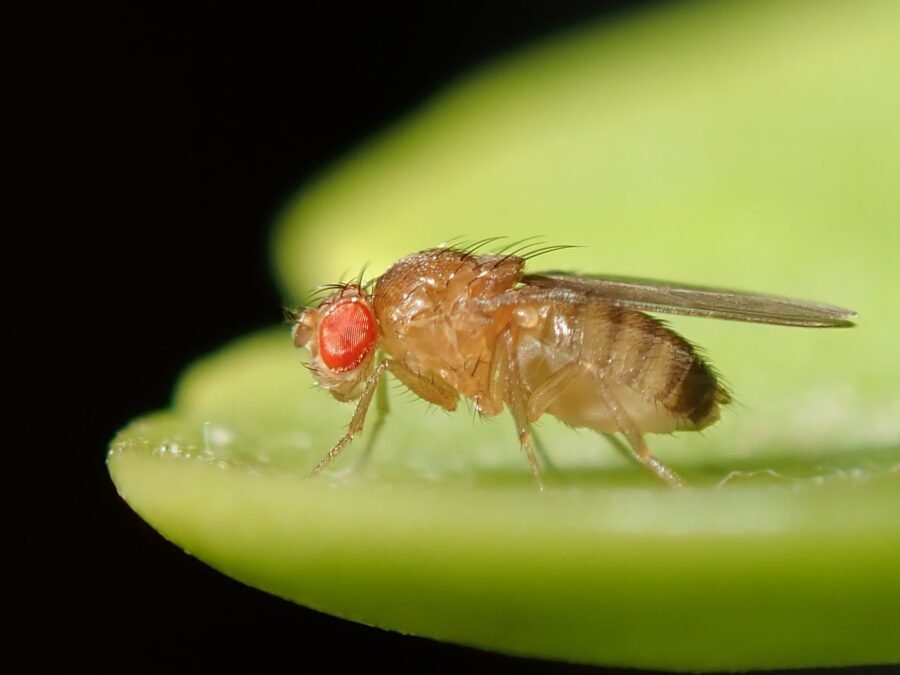
Before you start trapping, it helps to know what you are up against. The common fruit fly, known by its scientific name Drosophila melanogaster, is a tiny insect with a tan or amber body, red or dark eyes, and a length of only about one-eighth of an inch. Fruit flies are drawn to fermenting fruit and vegetables, and they are sometimes called vinegar flies or pomace flies because they home in on the smell of acetic acid, the compound that gives vinegar its sharp scent.
What makes fruit flies such a nuisance is not their size but their speed. In warm conditions, a fruit fly can go from egg to adult in as little as eight days, according to Texas A&M AgriLife Extension. A single female can lay around 500 eggs in her lifetime, often 30 to 50 eggs a day, tucked into the surface of ripe or rotting fruit. Those eggs hatch into tiny larvae within about a day, and the new adults are ready to breed within days of emerging. Adult fruit flies live for roughly 40 to 50 days. In other words, a couple of flies that hitch a ride home on a bunch of bananas can turn into a full-blown infestation before the week is out.
The important lesson here is that the flies you see buzzing around are only the tip of the iceberg. The real problem is the breeding site — the overripe peach, the damp sponge, the forgotten onion at the back of the cupboard. If you only chase the adults and never find where they are breeding, new flies will keep arriving. That is why the most effective approach always has two parts: trap the adults you can see, and remove the source where the next generation is growing.
Why Fruit Flies Appear in Your Kitchen
Fruit flies do not just show up by magic. They follow their noses, and a kitchen is full of the smells they love. Here are the usual suspects: Knowing where they come from is the first step in learning how to get rid of fruit flies for good.
- Overripe or rotting fruit and vegetables. A banana that has gone soft, a tomato with a split skin, or potatoes sprouting in a dark cupboard are perfect nurseries.
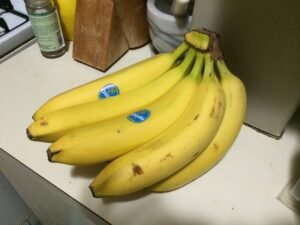
- The fruit bowl on the counter. Fruit left at room temperature ripens fast in a warm kitchen, and once it starts to ferment, it sends out a dinner invitation to every fruit fly in the neighbourhood.
- Trash and recycling. Food scraps, sticky bottles, empty jam jars, and beer cans all give off fermenting smells. A bin that is not emptied often enough becomes a breeding ground.
- Drains and garbage disposals. The slimy film inside a sink drain, known as biofilm, holds tiny bits of food and moisture. Fruit flies can lay eggs in it, which is why flies sometimes seem to come straight out of the sink.
- Sponges, mops, and damp cloths. A sour sponge left in the sink is a damp, food-rich home for fruit fly eggs.
- Compost bins and caddies. Kitchen compost is wonderful for the garden, but an open caddy on the counter is a fruit fly magnet.
- Groceries themselves. Fruit flies and their eggs often arrive on produce from the shop. You may bring them home without ever knowing it.
Summer makes everything worse because warmth speeds up the fruit fly life cycle, and windows left open give them easy entry. Still, fruit flies can show up in any season if there is food and moisture indoors.
How to Get Rid of Fruit Flies Fast by Removing the Source
Traps catch the adults, but source removal wins the war. Before you set a single trap, spend twenty minutes hunting down the breeding site. This is the step most people skip, and it is the step that matters most. If you want to know how to get rid of fruit flies fast, start here, not with the traps.
Start with the fruit bowl. Throw away anything overripe, soft, or damaged. Wash the remaining fruit and store it in the fridge until the flies are gone. Next, check the pantry and cupboards. Look for forgotten onions, potatoes, and garlic that have gone soft, and toss anything that smells off. Empty the kitchen bin, take the rubbish outside, and wipe the bin with hot, soapy water. Rinse out recycling — jars, bottles, and cans — before they go in the recycling bin, because even a thin film of juice or jam is enough to attract flies.
Then tackle the sink. Scrub the drain, clean the plug hole, and wash the sponge or replace it. Wring out dishcloths and hang them to dry, and mop up any spills under the sink. Finally, empty the compost caddy, rinse it out, and keep its lid shut.
Once the sources are gone, the traps can do their job properly. Without competing food smells, the traps become the most attractive thing in the room, and the catch rate jumps. Many households find that source removal plus traps clears the problem within 48 to 72 hours.
How to Get Rid of Fruit Flies With an Apple Cider Vinegar Trap
The apple cider vinegar trap is the most popular homemade fruit fly trap for a good reason: it is cheap, simple, and it works. Apple cider vinegar smells remarkably like fermenting fruit, so fruit flies fly straight toward it. The dish soap is the secret weapon — it breaks the surface tension of the liquid, so flies that land on it sink instead of skating away. It is the first answer most people try when they look up how to get rid of fruit flies.
Here is how to make one:
- You will need: a small bowl, ramekin, or mason jar; apple cider vinegar; liquid dish soap; plastic wrap; a rubber band; and a toothpick.
- Pour the vinegar. Fill the bowl with about a quarter to a half cup of apple cider vinegar, enough to cover the bottom to a depth of around half an inch.
- Add the soap. Stir in two or three drops of liquid dish soap. Mix gently — you want a thin film on the surface, not a cap of foam.
- Cover it. Stretch plastic wrap tightly over the mouth of the bowl and secure it with a rubber band. Poke six to eight small holes in the wrap with a toothpick. The holes should be big enough for a fruit fly to crawl through but small enough that finding the way out again is hard.
- Place it well. Set the trap within about twelve inches of where the flies cluster — beside the fruit bowl, the sink, or the bin — not on the far side of the kitchen. Flies follow the scent, so closeness counts.
- Refresh it. Replace the vinegar every two to three days, or every 24 to 48 hours during a bad infestation. Old bait turns rancid and stops attracting flies.
You can also leave the bowl uncovered, which works well too — flies land on the liquid and sink. The covered version simply catches more of them because the ones that get in struggle to get out. Set two or three traps around the kitchen rather than just one, and keep them in place until you have seen no flies for a couple of days. The traps only catch adults, so patience matters: the last eggs may still be hatching when the first adults are gone.
More DIY Traps That Catch Fruit Flies
If you are out of apple cider vinegar, or you want to attack from several angles at once, these homemade traps also do the job:
- The plastic bottle funnel trap. Cut the top third off a plastic bottle, pour half an inch to an inch of vinegar or wine into the bottom, then flip the top upside down into the bottle so it forms a funnel. Flies fly down the funnel toward the smell and cannot find their way back out. Tape the edges together so there are no gaps.
- The paper cone trap. Roll a piece of paper into a cone with a tiny hole at the tip and set it point-down in a jar that holds vinegar and a drop of dish soap. The cone works like a one-way door.
- The wine or beer trap. Leftover red wine or beer works almost as well as apple cider vinegar. Pour a little into a glass, add a drop of dish soap, and leave it near the worst of the flies. It is a good use for the last drops of a bottle you would otherwise throw away.
- The overripe fruit trap. Put a piece of very ripe banana or peach in a jar, cover the jar with plastic wrap, and poke small holes in it. The fruit itself is the bait. This trap is handy when you have no vinegar at all, but throw it away after a day or two before it becomes a breeding site itself.
Here is a quick comparison to help you choose:
| Trap | What you need | Best for | Keep in mind |
|---|---|---|---|
| Apple cider vinegar and dish soap | Bowl, vinegar, soap, plastic wrap | Fast results, most kitchens | Refresh every 2 to 3 days |
| Plastic bottle funnel | Bottle, vinegar or wine | Catching large numbers | Tape the funnel in place |
| Paper cone and jar | Jar, paper, vinegar, soap | A tidy, spill-proof trap | Keep the cone tip small |
| Wine or beer | Glass, leftover wine or beer, soap | Using up leftovers | Works best with red wine |
| Overripe fruit | Jar, ripe fruit, plastic wrap | No vinegar in the house | Discard after 1 to 2 days |
Whichever trap you pick, remember that traps are only half the battle. A trap in a dirty kitchen is like a bucket under a leaking roof: helpful, but it does not fix the leak. The traps in this guide are only one half of how to get rid of fruit flies; the other half is finding and removing the breeding source.
How to Get Rid of Fruit Flies in Your Drains
If flies keep appearing around the sink even after you have thrown away the old fruit, the drain is probably the breeding site. The good news is that you can clean it with things you already have.
Pour half a cup of baking soda down the drain, followed by one cup of white vinegar. The mixture will foam up — let it work for about fifteen minutes so it can loosen the slimy biofilm inside the pipes. Then flush the drain with a kettle of boiling water. Repeat the process for a few evenings in a row if the problem is stubborn. Scrub around the drain opening and the overflow hole too, since film builds up there as well. If you have a garbage disposal, run it with cold water and a handful of ice cubes to scour the grinding chamber, then follow with the baking soda and vinegar treatment.
What you should not do is pour bleach down the drain. Bleach kills adult flies on contact, but it does not dissolve the biofilm where the eggs live, and it can damage plumbing seals. It may look like it worked for a day, but the flies will be back. A drain brush, which you can buy cheaply at any hardware shop, is a better investment: push it into the drain and twist it to scrub the film off the pipe walls directly.
After cleaning, keep the drain dry overnight when you can, and never leave food scraps sitting in the sink. A sink strainer that catches bits of food before they wash down is a small purchase that pays for itself many times over. A dry, clean drain is one of the easiest wins when you are learning how to get rid of fruit flies.
How to Get Rid of Fruit Flies in the Fridge and Pantry
Fruit flies are less common in the fridge because the cold slows them down, but they can still sneak in on produce, and they love a warm pantry. Start by taking everything out of the pantry and checking it piece by piece. Throw away anything past its best, anything with a torn packet, and anything that smells fermented. Wipe the shelves with hot, soapy water, and pay attention to sticky patches where a jar has leaked.
When you bring groceries home, wash fruit and vegetables under running water before you put them away, and dry them well. Store ripe fruit in the fridge during an infestation — the cold stops it fermenting further and takes it off the menu for flies. Keep onions, potatoes, and garlic in separate, well-ventilated containers, and check them weekly for soft spots. Seal dry goods like flour, rice, and cereal in airtight containers so no moisture or crumbs attract pests.
In the fridge itself, wipe up spills straight away, especially juice and jam. Check the salad drawer regularly, because a forgotten bag of salad can turn into a fruit fly nursery behind the crisper. A quick weekly wipe-down of the fridge shelves takes five minutes and stops most problems before they start. Keeping the fridge clean supports everything else in this guide on how to get rid of fruit flies.
Fruit Flies vs Drain Flies vs Fungus Gnats: Know Your Enemy
Not every tiny fly in the house is a fruit fly, and treating the wrong pest wastes your time. Here is how to tell them apart:
- Fruit flies have tan or amber bodies, red or dark eyes, and are about one-eighth of an inch long. They hover around ripe fruit, bins, and kitchen counters, and they are drawn to vinegar traps.
- Drain flies, also called moth flies, are fuzzy, moth-like, and grey. They rest on bathroom and kitchen walls near drains and barely fly. Vinegar traps will not catch them — you need to scrub the drain biofilm away instead.
- Fungus gnats are slim, dark, and long-legged. They hover around houseplants and live in damp potting soil. They are not interested in vinegar at all. The fix is to let the top inch of soil dry out between waterings and to remove dead leaves from the pots.
If your vinegar trap is catching nothing after two days, take a closer look at the flies. You may be fighting drain flies or fungus gnats, and each one needs its own approach. Getting the identification right saves you days of frustration.
Habits That Keep Fruit Flies From Coming Back
Getting rid of fruit flies is one thing; keeping them away is another. The habits below are simple, and together they make your kitchen a very unwelcoming place for flies:
- Take the rubbish out daily during warm weather, and keep the bin lid closed. Wash the bin with hot, soapy water once a week.
- Rinse recycling before it goes in the bin — jars, bottles, and cans should not carry a film of juice or sauce.
- Refrigerate ripe fruit instead of leaving it on the counter, especially bananas, peaches, and tomatoes.
- Wipe counters and the hob every evening so no juice, crumbs, or sticky spots are left overnight.
- Empty and rinse the compost caddy daily, and keep it lidded.
- Replace sponges often, or microwave a wet sponge for a minute to kill the bacteria that make it smell sour. Never leave a sponge sitting in a puddle in the sink.
- Fix dripping taps and wipe up standing water, because dampness is half of what fruit flies need.
- Keep windows screened in summer, or at least keep the fruit bowl away from an open window.
- Wash new produce as soon as you bring it home, and check it before you put it in the bowl.
None of these habits is hard on its own. Together, they remove the food, moisture, and shelter that fruit flies need to breed, and that is the real secret to a fly-free kitchen. Together, they are the long-term answer to how to get rid of fruit flies and keep them away.
When to Call Pest Control for Fruit Flies
Most fruit fly problems clear up with traps and cleaning, but there are times when it is smart to call a professional. If you have cleaned thoroughly, set traps, and removed every source you can find, yet the flies are still there after two weeks, something is breeding where you cannot see it — perhaps inside a wall cavity, under the floorboards, or in a drain that needs professional equipment.
You should also call pest control if the flies are appearing in large numbers in rooms far from the kitchen, which can mean a hidden breeding site such as a dead animal in a wall void or a leaking pipe. Businesses that handle food, such as cafes and restaurants, should bring in a professional sooner rather than later, because a fruit fly problem can quickly become a hygiene issue.
A pest control visit for fruit flies is usually straightforward. The technician will inspect the kitchen, drains, and any likely hiding places, identify the breeding site, and treat it. Ask them to show you what they found so you can stop it happening again. Professional help is not a defeat — it is simply the right tool when the problem is bigger than a few traps can handle. It is the right call when every method for how to get rid of fruit flies at home has failed.
How to Get Rid of Fruit Flies for Good: Your Prevention Checklist
Here is the whole plan in one place. Work through it over a weekend and your kitchen will be a much harder place for fruit flies to call home:
- Throw away overripe fruit and vegetables, and wash the rest.
- Empty the bin and the compost caddy, then clean both.
- Rinse all recycling before it goes in the bin.
- Clean the sink drain with baking soda, vinegar, and boiling water.
- Replace the sponge and wring out dishcloths.
- Set two or three apple cider vinegar traps near the worst spots.
- Move ripe fruit into the fridge until the flies are gone.
- Wipe the counters and hob every evening.
- Check the pantry shelves for forgotten, soft produce.
- Keep the traps in place until you have seen no flies for two full days.
Frequently Asked Questions About Getting Rid of Fruit Flies
How long does it take to get rid of fruit flies?
With traps plus source removal, most kitchens see a big drop within 48 to 72 hours, and the problem is usually gone within a week. The timing depends on how many eggs were already laid — new adults can keep emerging for several days after you clean, so keep the traps out until you have had two fly-free days in a row.
Do fruit flies bite?
No. Fruit flies do not bite people or pets. They are a nuisance rather than a danger, but they can carry bacteria from rotting food onto clean surfaces, which is one more reason to get rid of them quickly.
Does apple cider vinegar really work better than white vinegar?
Yes, in most cases. Apple cider vinegar smells like fermenting fruit, which is exactly what fruit flies are looking for. White vinegar works too, but it is less attractive to them. Red wine is another good option if you have an open bottle.
Can fruit flies make you sick?
Fruit flies themselves do not spread disease the way some other pests do, but they walk across rotting food and then across your clean plates and fruit. Washing fruit before eating it and keeping food covered is always a good idea.
Why do fruit flies keep coming back every summer?
Warm weather speeds up their life cycle, and open windows and fresh summer fruit give them both entry and food. The prevention habits in this guide — especially refrigerating ripe fruit and taking the rubbish out daily — make the biggest difference in summer.
Will a shop-bought trap work better than a homemade one?
Shop-bought traps can work well and are tidy, but a homemade apple cider vinegar trap is just as effective for most kitchens and costs almost nothing. The real difference is not the trap but whether you also remove the breeding source.
Final Thoughts
Learning how to get rid of fruit flies is really about understanding what they want: warm, damp places with fermenting food. Take that away, and they have no reason to stay. Set your vinegar traps tonight, spend twenty minutes hunting down the breeding source, and clean the drain while you are at it. Most people are surprised at how fast the cloud thins out — often within two or three days, the kitchen is quiet again. Keep the good habits going, and fruit flies will stop being a regular visitor in your home. Your kitchen belongs to you, not to the flies, and with a little effort, you can take it back for good.