
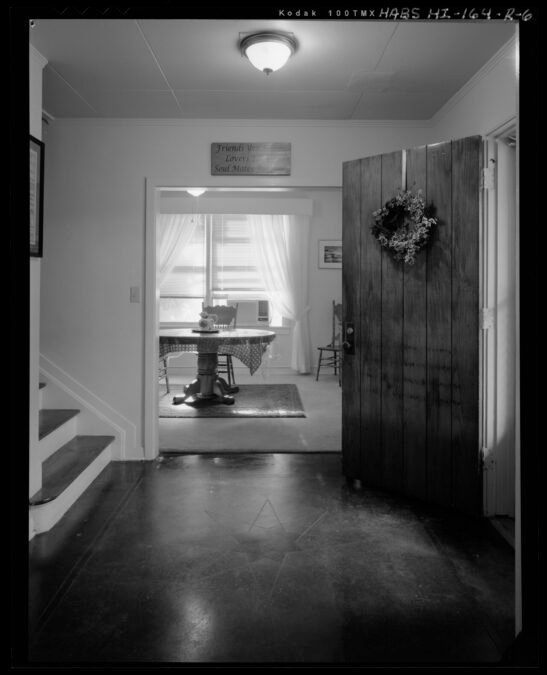
Stained concrete floors have a way of turning a plain gray slab into something worth showing off. With the right stain and a good sealer, an ordinary concrete floor can look like warm leather, rich marble, or sun-baked stone — all without laying a single tile. It is no wonder more homeowners are giving this finish a second look. In this guide, we will walk through what stained concrete floors are, how they get their color, what they cost, and how to keep them looking great for years.
What Are Stained Concrete Floors
Stained concrete floors are concrete slabs that have been given color with a stain that soaks into the surface. Unlike paint, which sits on top of the floor and can peel or chip, a stain penetrates the concrete itself. That is why the color lasts so long and why it will not flake off under foot traffic.
The finish is translucent, which means it lets the natural character of the concrete show through. Small variations in the slab become part of the look, so no two stained concrete floors ever come out exactly alike. Some people love that one-of-a-kind quality, and it is one of the main reasons this finish stands out from tile or vinyl.
You will find stained concrete floors in living rooms, kitchens, basements, and bedrooms, as well as on patios, pool decks, and in garages and shops. They work indoors and outdoors, in modern homes and in rustic ones. Because the stain works on a slab that is already there, it is also one of the most affordable ways to transform a floor.
How Stained Concrete Floors Get Their Color
Coloring stained concrete floors is a step-by-step job, and the prep work matters more than most people expect. Stain does not hide flaws — it highlights them. Any crack, patch, or old sealer left on the slab will show through the finished color, so the surface has to be cleaned and repaired first.
Here is how the process usually goes:
- Clean and prep the slab. The floor is swept, scrubbed, and stripped of any old paint, glue, or sealer. Cracks are filled, and the surface is left to dry fully.
- Apply the stain. The stain is sprayed, rolled, or brushed onto the concrete in thin, even coats. Some installers layer more than one color for depth.
- Let it react or set. Acid stains need time to react with the minerals in the concrete. Water-based stains need time for the pigment to settle into the pores.
- Neutralize and rinse. Acid-stained floors must be neutralized and rinsed to stop the chemical reaction and remove residue.
- Seal the floor. A sealer locks in the color and protects the surface from moisture, stains, and wear.
- Let it cure. The floor usually needs 24 to 48 hours before normal foot traffic returns.
A professional crew can often finish a room in a day or two, while a do-it-yourself job may stretch across a weekend. Either way, patience pays off — rushing the drying or sealing steps is one of the most common causes of a blotchy finish.
Acid-Based Stains for Stained Concrete Floors
Acid-based stains, sometimes called reactive stains, are the classic choice for stained concrete floors. They are not really paint at all. They contain metallic salts that react chemically with the lime, or calcium hydroxide, in the concrete. That reaction creates a permanent, translucent color that becomes part of the slab itself.
The look is what wins people over. Acid stains produce mottled, marbled tones in earthy shades — warm browns, tans, soft greens, and blue-grays — that resemble natural stone. Because the color comes from a chemical reaction, every slab turns out a little differently, and that variation is part of the charm.
There are real practical benefits too:
- Long-lasting color. Since the color is embedded in the concrete, it will not chip, peel, or wear off.
- UV resistance. Acid-stained color holds up well in sunlight, which makes it a strong choice for stained concrete floors on patios and pool decks.
- A natural, stone-like finish. The variegated tones look organic rather than painted on.
But acid stains are not perfect for every project. The color palette is limited to earthy tones, so you will not get bright reds, pure whites, or vivid blues. The final result can also be hard to predict, because it depends on the exact makeup of your concrete — an old or heavily patched slab may react unevenly. And the application takes care: the stain gives off strong fumes, so ventilation and safety gear are a must, and the floor has to be neutralized and rinsed after the reaction is done.
Acid stains typically cover 200 to 800 square feet per gallon, depending on dilution and the number of coats, according to manufacturer data sheets. Installed cost usually runs about $3 to $6 per square foot for a basic single-color job, with complex multi-color designs reaching $12 to $25 per square foot, according to 2026 cost guides.
Water-Based Stains for Stained Concrete Floors
Water-based stains take a different approach to coloring stained concrete floors. Instead of reacting with the concrete, they carry finely ground pigment in a water-based acrylic or polymer solution. The pigment soaks into the open pores of the slab and leaves color behind — more like a very thin, deep-penetrating coat than a chemical reaction.
The biggest draw is choice. Water-based stains come in a much wider range of colors, from soft pastels to bold reds, blues, and blacks, including custom mixes. The results are also more predictable and consistent from one area to the next, which makes it easier to match a sample or a design plan.
Other advantages include:
- Safer and friendlier to apply. Water-based stains have low odor and lower VOCs, which makes them a better fit for indoor work and for homes with children or sensitive noses.
- Easier for DIY projects. The application is simpler to control, with no neutralization step and easier cleanup.
- A uniform look. If you want an even, consistent color across a large room, water-based stain delivers it.
The trade-offs are real, though. Because the pigment sits in the pores rather than bonding chemically with the concrete, water-based color is generally less durable than acid stain. It can fade over time, especially in high-traffic areas or under strong sun, and it may need resealing more often. Some people also feel the finish can look a little “painted” next to the natural depth of an acid stain.
Water-based stains typically cover 250 to 500 square feet per gallon per coat. Installed cost usually runs about $2 to $5 per square foot for a basic job, according to 2026 cost guides.
Acid Stain vs Water-Based Stain: A Side-by-Side Look
Choosing between the two main stain types comes down to what you want the floor to look like and how much upkeep you are willing to do. Here is how they stack up:
| Feature | Acid-Based Stain | Water-Based Stain |
|---|---|---|
| How it works | Reacts chemically with minerals in the concrete | Pigment soaks into the pores of the concrete |
| Color range | Earth tones: browns, tans, greens, blue-grays | Full range, including brights, whites, and custom mixes |
| Look | Mottled, marbled, stone-like; every slab is unique | Even and consistent; easy to match a sample |
| Permanence | Permanent; becomes part of the concrete | Long-lasting, but can be removed by grinding |
| UV resistance | Excellent; color holds up in sunlight | Good, but may fade with heavy sun exposure |
| Fumes and safety | Strong fumes; needs ventilation and safety gear | Low odor; lower VOCs; safer indoors |
| Application | More demanding; must neutralize and rinse | Simpler; no neutralization step |
| Installed cost | About $3 to $6 per sq. ft. basic | About $2 to $5 per sq. ft. basic |
| Best fit | Patios, pool decks, and interior floors with a natural look | Interiors, garages, and commercial floors needing exact colors |
If you want a classic, long-lasting finish with rich earth tones, acid stain is hard to beat. If you want color variety, an eco-friendlier application, and a predictable result, water-based stain is the way to go.
How Much Do Stained Concrete Floors Cost
Cost is one of the first questions every homeowner asks, and the honest answer is that it depends — on the size of the room, the condition of the slab, the type of stain, and how fancy the design gets. Here are the ranges reported by 2026 cost guides, so you can budget with open eyes.
According to HomeGuide’s 2026 cost guide, the average cost for stained concrete floors is $3 to $15 per square foot, including labor. Water-based stain runs $3 to $15 per square foot installed, while acid-based stain runs $3 to $25 per square foot for complex colors and patterns. Angi’s 2026 figures tell a similar story: a national average of about $11,000 for a whole project, with most homeowners paying between $3,000 and $18,500. Basic single-color work can run as low as $2 to $4 per square foot, while high-end designs with stenciling or hand-finishing can reach $12 to $25 per square foot.
The table below breaks the cost down by service level, based on HomeGuide’s 2026 guide:
| Service Level | Average Cost per Sq. Ft. | What It Includes |
|---|---|---|
| Basic | $3 to $5 | Minor slab prep, single color, sealer |
| Intermediate | $5 to $10 | Two colors, sealer, more detailed prep |
| Upgraded | $10 to $15 | Multiple colors, patterns, sealer, full slab prep |
| High-end | $15 to $25 | Stencils, saw cuts, hand-finishing, complex designs |
A few things can push the price up. A garage floor, for example, often needs degreasing and crack repair first, and HomeGuide puts stained garage floors at $5 to $25 per square foot. Removing an old floor covering can add $1.50 to $3.50 per square foot, according to Angi. And labor is the biggest single cost in most jobs, running $2 to $14 per square foot — more than half of the total bill.
Doing it yourself is far cheaper on materials. DIY stain runs about $35 to $60 per gallon, and materials for staining and sealing a floor yourself come to roughly $0.30 to $0.60 per square foot, according to cost calculators. You will still need tools and supplies — an acid-proof sprayer costs around $200 to buy or about $15 per hour to rent, an etching solution runs about $20 per gallon, and gloves and safety glasses add about $20. The savings are real, but so is the risk, which brings us to the next question.
Stained Concrete Floors: DIY or Hire a Professional
Stained concrete floors can be a rewarding do-it-yourself project, but they are not the easiest weekend job in the book. The right choice depends on your experience, your tools, and how complex the design is.
DIY staining is a good fit when:
- The area is small or simple, like a patio, walkway, or garage.
- You want a single color and a straightforward finish.
- You are comfortable with surface prep, and you have time to do it properly.
- Your budget is tight — DIY materials run roughly $0.50 to $3.00 per square foot, compared with $4 to $10 per square foot for professional work on a typical job.
The catch is that mistakes are permanent. Stain soaks in and cannot be wiped away. A missed patch of old sealer, an uneven application, or a skipped neutralization step can leave blotches that only grinding will fix. That is why even confident DIYers should test the stain on a small, hidden area first.
Hiring a professional is the better call when:
- The area is large, high-traffic, or the centerpiece of your home.
- You want a custom design — multiple colors, stencils, saw cuts, or a marbled acid-stain look.
- The slab needs serious prep, like crack repair or old coating removal.
- You want the job done fast — pros can often finish in a day or two.
Here is a quick comparison:
| Aspect | DIY | Professional |
|---|---|---|
| Cost | About $0.50 to $3.00 per sq. ft. in materials | About $4 to $12 per sq. ft. including labor |
| Surface prep | Limited tools; higher risk of errors | Industrial tools and expert prep |
| Design quality | Basic finishes only | Complex patterns and multi-layer staining |
| Time | A full weekend or more for beginners | Often one to two days |
| Longevity | May fade faster if sealing is skipped | Longer-lasting with premium sealers |
Bottom line: if the floor is small and simple, DIY can save you real money. If the floor is the first thing guests see when they walk in, a pro is usually worth every penny.
The Pros of Stained Concrete Floors
Stained concrete floors have earned their fans for good reason. Here are the benefits that keep coming up:
- They last for decades. With proper care and regular resealing, a stained concrete floor can easily last 20 to 25 years in a home, and often longer.
- They are easy to live with. Daily care is just sweeping and the occasional damp mop. There are no grout lines or carpet fibers to trap dust and dirt.
- Every floor is one of a kind. The translucent stain and the natural variation of the concrete mean your floor will never look exactly like anyone else’s.
- They are budget-friendly. Staining an existing slab costs far less than tearing it out and laying tile, hardwood, or natural stone.
- They handle wear and tear. Sealed concrete resists stains, moisture, and heavy foot traffic, which is why you see it in shops and restaurants as well as homes.
- They suit many styles. From warm rustic earth tones to sleek modern grays, stained concrete floors can fit a farmhouse, a loft, or a minimalist living room.
- They are UV-resistant. Acid-stained color in particular holds up well in sunlight, so patios and pool decks keep their looks.
The Cons of Stained Concrete Floors
No flooring is perfect, and stained concrete floors have their downsides. It is better to know them before you commit:
- They are hard underfoot. Concrete has no give, so standing on it for long periods can be tiring, and dropped dishes rarely survive.
- They can feel cold. Bare concrete draws heat away, which can be a drawback in cooler climates — though radiant floor heating pairs well with it.
- They can be slippery when wet. A glossy sealer looks great, but it can get slick with water. Anti-slip additives in the sealer help a lot.
- Cracks and flaws show. Stain highlights rather than hides what is already in the slab, so an older floor with patches may look uneven.
- Color can be unpredictable. With acid stains especially, the final shade depends on your concrete, and it may differ from the sample.
- Repairs are tricky. Matching an existing stain for a patch repair is hard, and a repair may always be slightly visible.
- They need resealing. The sealer is what protects the color and the surface, and it wears down over time.
None of these are deal-breakers for most homeowners, but they are worth weighing — especially the hardness and the cold, which matter every single day you live on the floor.
How to Maintain Stained Concrete Floors
Here is the good news: maintaining stained concrete floors is simple, and a little routine care goes a long way. The golden rule is to protect the sealer, because the sealer is what protects everything else.
- Sweep or dust-mop regularly. Grit and dirt act like sandpaper under shoes, so a quick daily sweep keeps the finish from dulling.
- Damp-mop with a pH-neutral cleaner. Skip harsh chemicals, vinegar, and abrasive pads — they can wear down the sealer or cloud the finish.
- Wipe up spills promptly. Sealed concrete resists stains, but standing water and harsh liquids should not sit on the surface.
- Reseal every two to four years. This is the single most important maintenance step. High-traffic areas and outdoor floors may need it closer to every two years. A fresh coat of sealer restores the sheen and keeps moisture and wear at bay.
- Use felt pads and entry mats. Stick felt pads under furniture legs, and put mats at doorways to catch dirt before it reaches the floor.
- Avoid dragging heavy items. Lift rather than drag furniture and appliances to prevent scratches in the sealer.
With this routine, stained concrete floors can stay strong, stylish, and easy to live with for 20 to 25 years or more in a typical home. Patios in moderate traffic usually last 15 to 20 years, while heavy-traffic commercial spaces may see 10 to 15 years before a refresh is needed.
Stained Concrete Floors vs Epoxy vs Polished Concrete
Stained concrete floors are not the only way to finish a slab. Epoxy coatings and polished concrete are the two most common alternatives, and each has its own strengths. Here is how the three compare:
| Feature | Stained Concrete Floors | Epoxy Flooring | Polished Concrete |
|---|---|---|---|
| What it is | Stain soaks into the concrete and adds color | A resin coating forms a seamless layer on top | Grinding and densifying refine the slab to a sheen |
| Look | Rich, variegated, translucent color | Seamless, glossy, solid or metallic finishes | Smooth, reflective, natural concrete look |
| Typical cost | $2 to $10 per sq. ft. | $3 to $12 per sq. ft. | $3 to $12 per sq. ft. |
| Lifespan | 20 to 25 years with resealing | 5 to 10 years before reapplication | 20+ years with minimal upkeep |
| Maintenance | Sweep, mop, reseal every 2 to 4 years | Easy to clean; recoat after wear | Low; dust-mop and occasional wet mop |
| Moisture | Sealer protects, but needs renewal | High resistance, but can bubble if the slab is damp | Moderate; surface is vapor-permeable |
| Best for | Living areas, bedrooms, patios, pool decks | Garages, workshops, kitchens, warehouses | Lofts, offices, showrooms, retail spaces |
Epoxy wins on chemical resistance and a perfectly seamless surface, which is why it rules garages and workshops. But it can yellow without a UV-stable topcoat, and it usually needs reapplication after 5 to 10 years. Polished concrete wins on longevity and low maintenance, with a clean architectural look — though it can be sensitive to acids and moisture, and it shows dust and uneven patches more readily.
Stained concrete floors sit in the middle: more affordable than a full polish, more character than epoxy, and with a warmth that neither of the others quite matches. If color and personality matter most to you, stain is the pick.
Are Stained Concrete Floors Right for Your Home
So, are stained concrete floors the right choice for your home? For many homeowners, the answer is a confident yes — but it helps to ask yourself a few honest questions first.
Do you love the look of natural variation, or do you want a perfectly uniform floor? If you love character, acid stain will delight you. If you want consistency, water-based stain is the safer bet. Is the slab in good shape, or is it cracked and patched? A sound slab takes stain beautifully, while a damaged one may need grinding or an overlay first. Are you ready to reseal every few years? That small habit is what keeps the floor looking new.
Think about the room, too. Stained concrete floors shine in living areas, kitchens, and basements, where their durability and easy cleaning make daily life simpler. They are wonderful on patios and around pools, where their UV resistance pays off. In bedrooms, a soft rug takes the edge off the hardness, and the floor underneath stays beautiful for decades.
If you are working with a tight budget, staining the slab you already have is one of the smartest upgrades you can make. You get a custom, high-end look for a fraction of the cost of tile or hardwood, and you get a floor that can handle kids, pets, and parties without flinching.
In the end, stained concrete floors are proof that you do not need to tear out a floor to transform a room. With the right stain, a careful prep, and a good sealer, a plain gray slab becomes a warm, durable, one-of-a-kind surface that welcomes you home every day — and keeps looking great for twenty years or more.