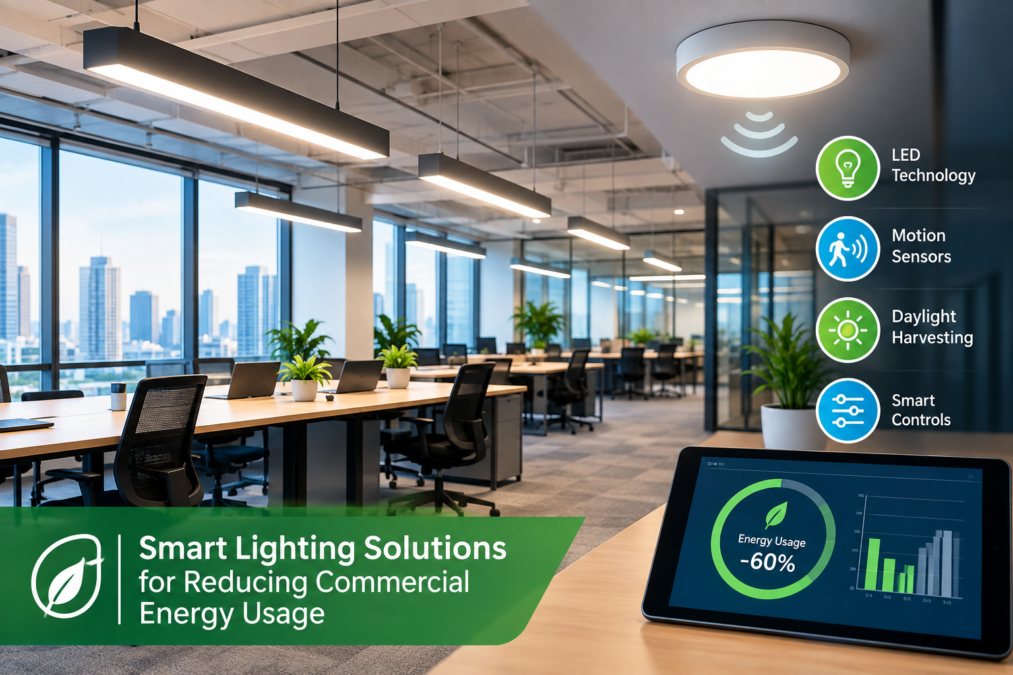
Commercial energy bills have a way of creeping up quietly until they become impossible to ignore. Between long operating hours, aging infrastructure, and inefficient fixtures, many businesses are spending far more on electricity than they need to. Lighting alone accounts for a significant chunk of that expense, especially in offices, warehouses, and retail spaces that run lights for most of the day.
Smart lighting solutions offer a practical way to change that. By combining sensors, automation, and intelligent controls, these systems adjust lighting based on actual need rather than leaving everything running at full capacity around the clock. The result is lower energy usage, reduced operational costs, and a smaller environmental footprint.
For businesses looking for a reliable partner to guide this transition, Sound Effects Arizona provides tailored solutions designed around each facility’s unique layout and usage patterns. Their approach focuses on practical, scalable upgrades that deliver measurable savings without disrupting daily operations.
Understanding Smart Lighting Technology
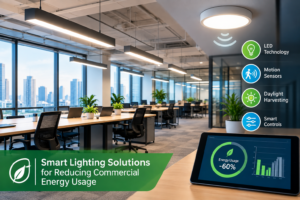
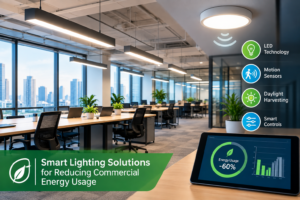
Smart lighting systems go beyond simple on-and-off switches. They use connected devices and software to monitor conditions in real time and adjust lighting accordingly. This means fixtures only use the energy they actually need, when they need it.
Three components typically drive these systems:
- Sensors that detect movement, occupancy, or ambient light levels
- Controls that allow lighting to be dimmed, scheduled, or grouped by zone
- Automation features that tie everything together, letting the system respond without manual input
Motion detection is one of the most common features. Lights turn on when someone enters a room and dim or switch off after a period of inactivity. Daylight harvesting works similarly, using natural light levels to automatically adjust artificial lighting so spaces stay well-lit without wasting electricity on sunny days.
Energy Savings Benefits
The financial case for smart lighting is straightforward. Intelligent scheduling and dimming reduce the number of hours lights run at full brightness, which translates directly into lower electricity consumption. For a large commercial space, this can add up to a substantial reduction in monthly utility bills.
There’s also a hardware benefit. Bulbs and fixtures that aren’t constantly running at full power tend to last longer, which cuts down on replacement and maintenance costs over time. Fewer replacements also mean less waste sent to landfills.
Beyond the balance sheet, there’s an environmental upside worth considering. Lower energy consumption means a smaller carbon footprint, something that matters more to customers, investors, and employees. Businesses that prioritize sustainability often find it strengthens their brand and supports long-term goals around corporate responsibility.
Implementing Smart Lighting in Commercial Spaces
Getting started doesn’t require an all-or-nothing approach. Most projects begin with an energy audit, which assesses current lighting infrastructure and identifies where the biggest inefficiencies lie. This step helps prioritize which areas will benefit most from an upgrade.
Integration is often easier than business owners expect. Many smart lighting systems are designed to work alongside existing electrical infrastructure, minimizing the need for extensive rewiring or downtime during installation. Sound Effects Arizona works closely with facility managers to plan installations that fit around business hours, reducing disruption to daily operations.
Scalability is another advantage. Whether it’s a single retail location or a multi-building corporate campus, smart lighting systems can be designed to match the size and layout of the space. Zones can be added, adjusted, or expanded as a business grows or as facility needs change.
Cost is naturally a consideration for any upgrade, but the return on investment for smart lighting tends to be favorable. Reduced energy bills and lower maintenance costs often offset the initial expense within a reasonable timeframe, making it a sound long-term investment rather than just an upfront expense.
Making the Switch to Smarter Lighting
Reducing commercial energy usage doesn’t happen by accident. It takes a deliberate shift toward technology that responds to real-world usage instead of running on autopilot. Smart lighting systems offer businesses a practical, scalable way to cut costs, extend the life of their equipment, and reduce their environmental impact, all while maintaining comfortable, well-lit spaces for employees and customers.
If your facility is still relying on outdated lighting infrastructure, now is a good time to take a closer look at what’s possible. Sound Effects Arizona offers the expertise and hands-on support needed to evaluate your current setup and design a system that fits your space and your budget. Reach out today to see how smart lighting could work for your facility.